 Pin
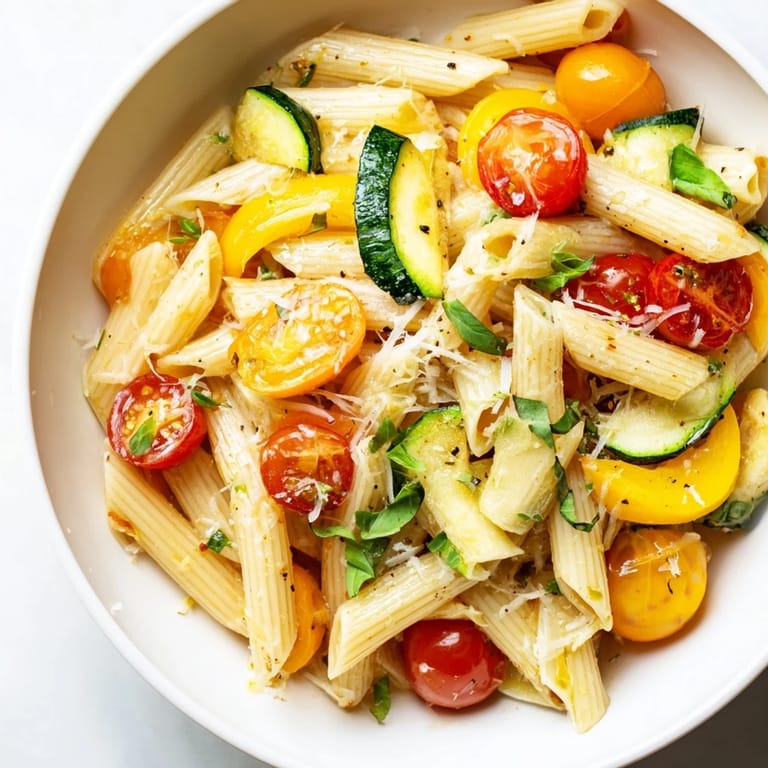
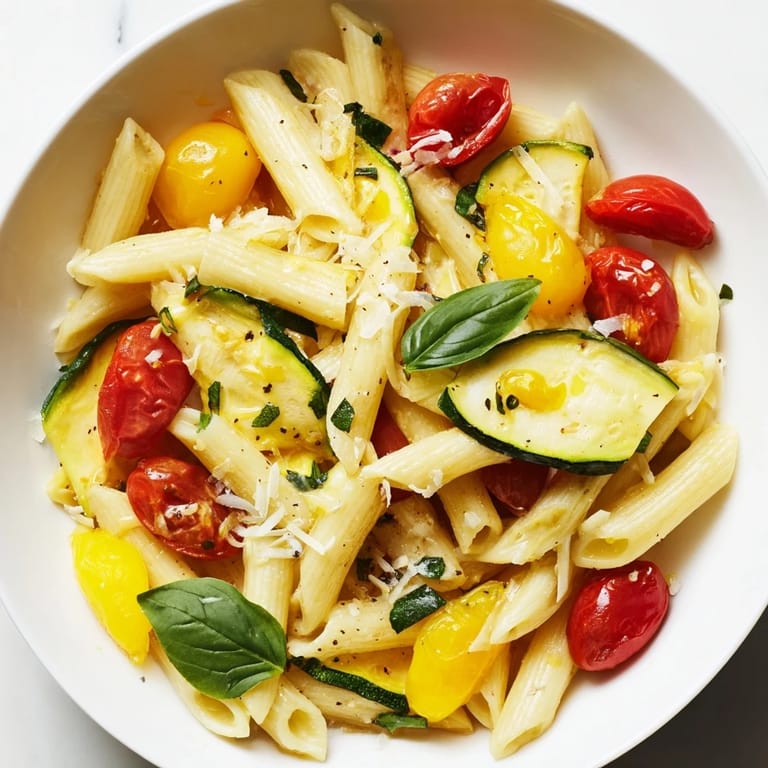
Pin The kitchen window was open wide that July evening, and I could hear my neighbor's wind chimes mixing with the sound of water boiling. I had three zucchini from a coworker who swore her garden was taking over, and I needed to do something with them before they turned into baseball bats. That's how this pasta was born, not from a cookbook, but from necessity and a handful of vegetables that tasted like sunshine. It's become my go-to whenever summer floods the farmers market with more squash than anyone knows what to do with.
I made this for my sister once when she came over stressed about work and hungry in that impatient way where nothing sounds good. She sat at the counter, picking at the basil while I cooked, and by the time I plated it she'd already eaten half the tomatoes straight from the pan. She told me it tasted like summer vacation, which I thought was dramatic until I realized she was right. Sometimes a dish just feels like a mood, and this one is pure ease and warmth.
Ingredients
- Penne or fusilli pasta: Short shapes with ridges grab onto the olive oil and little bits of tomato better than long noodles, and they're easier to toss without making a mess.
- Zucchini: Slice them into half-moons so they cook evenly and don't turn to mush, and try to keep the pieces about the same thickness.
- Yellow squash: It adds a slightly sweeter flavor than zucchini and makes the dish look more colorful and alive on the plate.
- Cherry or grape tomatoes: Halving them helps them burst open and create a light, juicy sauce that coats the pasta naturally.
- Extra virgin olive oil: This is not the time for the cheap stuff, you want something fruity and smooth because it's doing most of the flavor work here.
- Garlic: Mince it fine so it melts into the oil and doesn't burn, and add it to warm oil, not screaming hot.
- Kosher salt and black pepper: Season in layers, taste as you go, and remember that pasta water is salty so don't overdo it at first.
- Fresh basil: Tear or slice it just before adding so it stays bright green and aromatic instead of turning dark and sad.
- Red pepper flakes: Just a pinch adds warmth without making it spicy, but skip it if you're cooking for kids or anyone who panics at heat.
- Parmesan cheese: A little goes a long way, and it helps everything stick together, but the dish is honestly lovely without it too.
- Lemon zest: A few quick scrapes over the top right before serving wakes up all the other flavors like turning up the volume.
Tired of Takeout? 🥡
Get 10 meals you can make faster than delivery arrives. Seriously.
One email. No spam. Unsubscribe anytime.
Instructions
- Boil the pasta:
- Get your water rolling with enough salt that it tastes like the sea, then cook the pasta just until it has a tiny bite left in the center. Scoop out half a cup of that starchy water before you drain, it's magic for bringing everything together later.
- Start the garlic:
- Warm the olive oil over medium heat and add the garlic, stirring it around for about a minute until it smells incredible but hasn't started to brown. If it browns, it gets bitter, and you'll taste it in every bite.
- Cook the squash:
- Toss in the zucchini and yellow squash, letting them sizzle and soften for four or five minutes, stirring now and then so they cook evenly. They should be tender but not falling apart, still holding their shape.
- Add the tomatoes:
- Throw in the halved tomatoes along with the salt, pepper, and red pepper flakes if you're using them. Let them cook down for three or four minutes until they start to collapse and release their juices into a thin, glossy sauce.
- Combine with pasta:
- Turn the heat down low and add the drained pasta right into the skillet, tossing everything together with tongs. Splash in some of that reserved pasta water a little at a time until the sauce clings to the noodles without pooling at the bottom.
- Finish and serve:
- Stir in the fresh basil and Parmesan, taste it, and add more salt or pepper if it needs it. Serve it in bowls with extra basil on top and a little lemon zest if you want that bright, sunny finish.
 Pin
Pin The first time I brought this to a potluck, someone asked for the recipe and then looked confused when I said there wasn't really one. It's just vegetables, pasta, and good olive oil, but somehow it feels like more than the sum of its parts. I think that's what I love most about it, how something so simple can make people pause and take a second bite, maybe a third, and forget they're just eating zucchini.
Choosing Your Vegetables
You can swap in whatever's fresh and ripe, bell peppers, spinach, or even thinly sliced eggplant all work beautifully here. I once added a handful of arugula right at the end and it wilted into the pasta with a peppery bite that made the whole thing feel a little fancier. Just make sure whatever you use is cut into similar-sized pieces so everything cooks at the same pace and you don't end up with some vegetables still raw while others turn to mush.
Storing and Reheating
This keeps in the fridge for about three days, though the pasta will soak up some of the moisture and get a little softer. I like to reheat it gently in a skillet with a splash of water or broth to loosen it back up, and sometimes I'll crack an egg into the center and let it cook through for a totally different but equally delicious meal. It doesn't freeze well because the vegetables get watery and sad, so this is one you want to eat fresh or within a few days.
Serving Suggestions
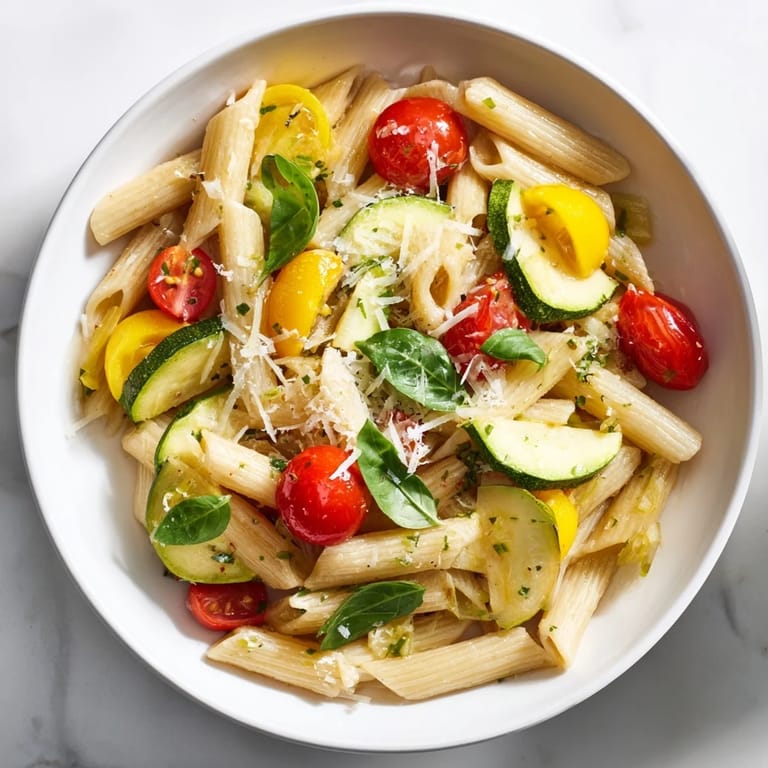
I usually serve this with crusty bread to soak up any extra olive oil left in the bowl, and a simple green salad dressed with lemon and salt. It's light enough that you don't feel weighed down after, but satisfying in that way that makes you not think about food again for hours. A cold white wine, something crisp like Sauvignon Blanc, is perfect alongside, though I've also had it with sparkling water and lemon and been just as happy.
- Add a handful of toasted pine nuts or slivered almonds for a little crunch and richness.
- Toss in a few spoonfuls of ricotta at the end for creaminess without making it heavy.
- Drizzle with a good balsamic glaze if you want a touch of sweetness to balance the garlic.
 Pin
Pin This is the kind of recipe that reminds me why I love cooking, because it doesn't require perfection or fancy techniques, just good ingredients and a little attention. I hope it fills your kitchen with the same easy, happy feeling it brings to mine.
Recipe FAQ
- → Can I prepare this dish ahead of time?
Garden Veggie Pasta is best enjoyed fresh, but you can prep ingredients in advance. Cook vegetables and pasta separately, then combine and reheat gently with a splash of olive oil just before serving to maintain texture and flavor.
- → What pasta shapes work best for this dish?
Penne and fusilli are ideal because their shapes catch the vegetable bits and sauce nicely. However, spaghetti, linguine, or any medium-sized pasta works equally well. Choose based on your preference and what you have on hand.
- → How can I make this dish more filling?
Add grilled chicken breast, cannellini beans, or pine nuts for extra protein and texture. You can also increase the amount of Parmesan cheese or serve with crusty bread alongside to make it more substantial.
- → What vegetables can I substitute?
Bell peppers, eggplant, spinach, asparagus, or mushrooms are excellent alternatives. Keep cooking times similar—tender vegetables cook quickly, while firmer ones may need an extra minute or two in the skillet.
- → Is this suitable for dietary restrictions?
Yes. For vegetarian, it's naturally meatless. For vegan, omit Parmesan or use plant-based alternatives. For gluten-free, use certified gluten-free pasta. Always check ingredient labels if you have specific allergies or sensitivities.
- → What wine pairs well with this pasta?
A crisp, light white wine like Sauvignon Blanc or Pinot Grigio complements the fresh, summery flavors beautifully. The acidity cuts through the olive oil and enhances the vegetable and basil notes.