 Pin
Pin The first time I made satay sauce, I was trying to recreate something I'd tasted at a tiny restaurant tucked away on a Jakarta street corner, where the owner's grandmother still stirred the pot herself each morning. I stood in my kitchen with a jar of peanut butter and a can of coconut milk, convinced I was overthinking it, but the moment that first spoonful of sauce hit my tongue—nutty, bright with lime, just the right whisper of heat—I realized this wasn't overthinking at all. It was alchemy. Now, whenever someone asks for a dipping sauce, this is what I make, and it never fails to turn a simple meal into something memorable.
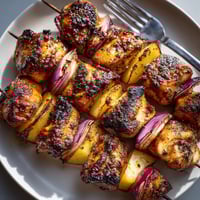
I'll never forget making this for a backyard dinner where my friend insisted on bringing store-bought satay skewers—frozen, uninspired things. But the moment I drizzled my homemade sauce over them, watching it pool and cling to every crevice, her skepticism melted faster than the coconut milk warming on the stove. That night felt like proof that good sauce is redemption; it elevated something ordinary into something that made people pause and really taste their food.
Ingredients
- Creamy peanut butter: Use unsweetened and unsalted if you can find it—it lets the other flavors shine instead of competing with salt and sugar that's already been added.
- Coconut milk: Full-fat is non-negotiable here; the lighter versions won't give you that silky, luxurious texture that makes this sauce special.
- Fresh lime juice: Bottled lime juice tastes flat by comparison; squeezing a fresh lime takes one extra minute and makes all the difference in brightness.
- Soy sauce: This is your savory backbone; I've learned that tamari works beautifully if you need gluten-free.
- Brown sugar or palm sugar: Palm sugar adds a deeper, more authentic flavor, but brown sugar works perfectly fine and is easier to find.
- Garlic: Just one clove minced fine—enough to add warmth without overpowering the peanut.
- Ground coriander and cumin: These two spices are what separate this from basic peanut sauce; they add an aromatic complexity that lingers.
- Chili flakes: Start with the ¼ teaspoon suggested and taste as you go; heat preferences vary wildly, and you can always add more.
- Fish sauce (optional): If you use it, add it at the very end off the heat—the aroma is potent, but it deepens the savory notes beautifully.
Tired of Takeout? 🥡
Get 10 meals you can make faster than delivery arrives. Seriously.
One email. No spam. Unsubscribe anytime.
Instructions
- Marry the peanut and coconut:
- Pour the peanut butter and coconut milk into your saucepan and whisk over medium heat until it's smooth and creamy, with no lumps hiding at the bottom. This is your foundation; take your time here.
- Build the flavor:
- Add the soy sauce, fresh lime juice, brown sugar, minced garlic, coriander, cumin, chili flakes, and salt all at once, then stir until everything dissolves into the mixture. The spices will start to bloom almost immediately.
- Let it simmer:
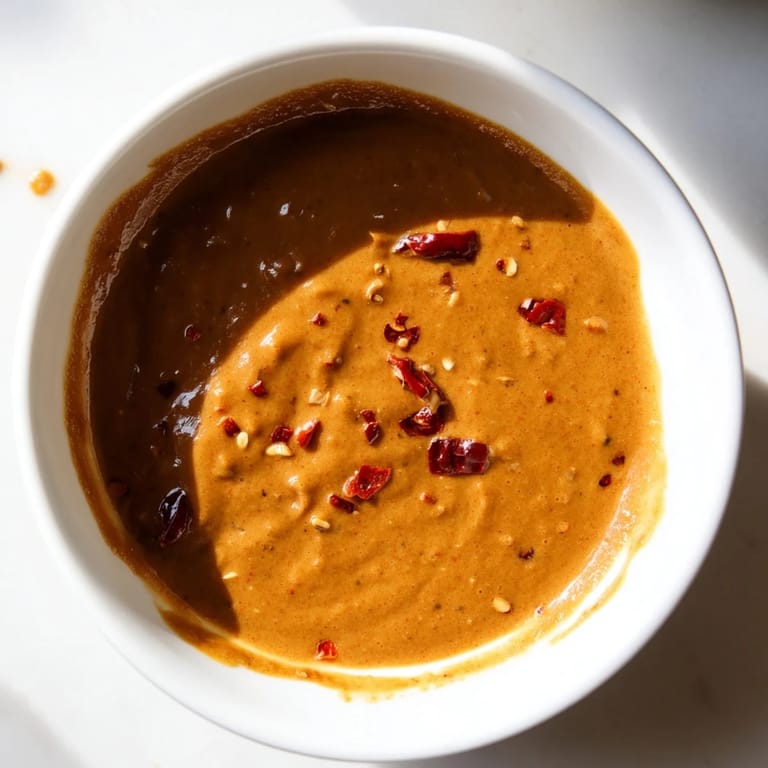
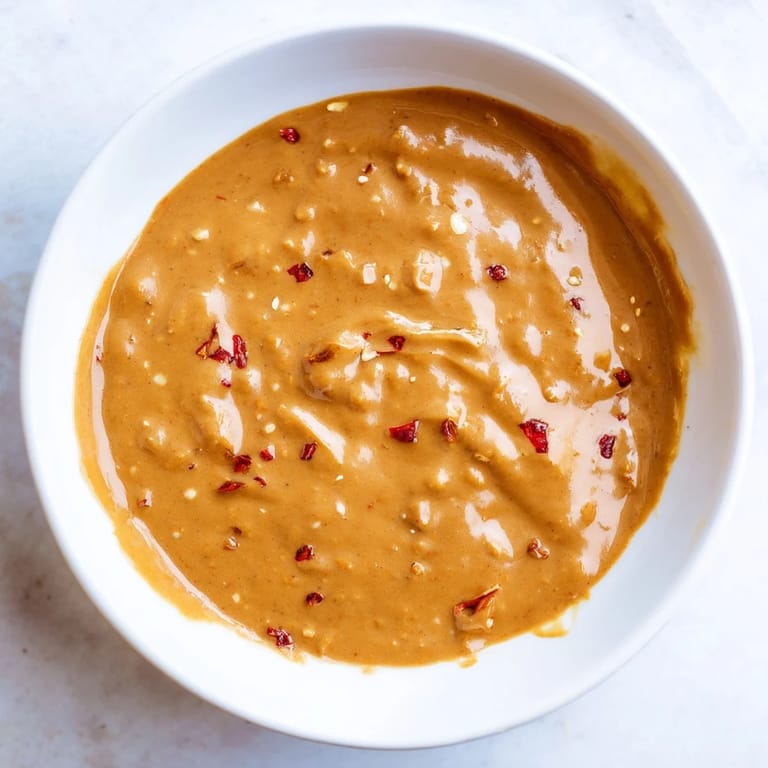
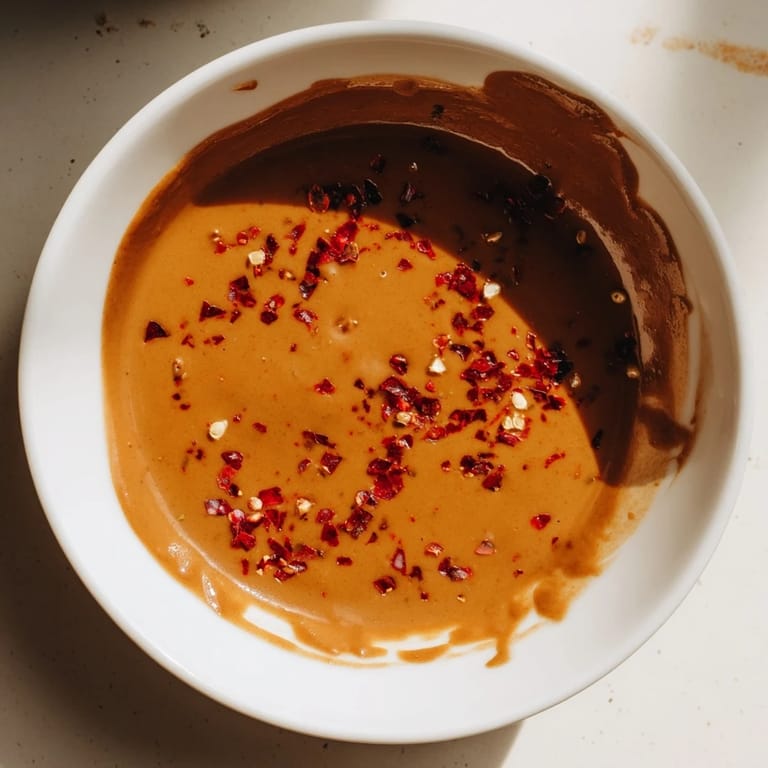
- Bring the sauce to a gentle simmer, stirring often so nothing sticks to the bottom of the pan, and let it cook for 3 to 5 minutes until it thickens slightly and takes on a glossy sheen. You'll notice the color deepens a bit as the flavors concentrate.
- Taste and adjust:
- This is the moment where you make it yours—try a tiny spoonful and decide if it needs more lime for tang, more sugar for balance, or more chili flakes if you want more heat. Trust your palate.
- Reach the right consistency:
- If the sauce is too thick, whisk in water a tablespoon at a time until it reaches the consistency you want—thick enough to cling to food but pourable enough to drizzle. If using fish sauce, stir it in now, off the heat.
- Cool and serve:
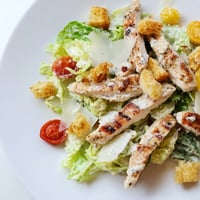
- Let it sit for a few minutes before serving; it thickens as it cools, and the flavors settle into harmony. Spoon it over satay skewers, use it as a dip for vegetables, or drizzle it over grilled tofu.
 Pin
Pin There's something almost meditative about standing over a warm saucepan, watching the sauce transform from separate, disparate ingredients into something unified and aromatic. It reminds me that cooking is often about patience and presence, not perfection—and that the best meals are the ones made with intention and shared with people you care about.
Why This Sauce Changes Everything
Satay sauce isn't just a condiment; it's a flavor multiplier. Grilled chicken becomes memorable, plain tofu becomes crave-worthy, and vegetables stop being an afterthought. Once you realize how much impact a good sauce has, you start thinking about it differently—less as something that happens at the end of cooking, more as the reason the whole dish exists. I've had people ask for my sauce recipe more often than they've asked for the main course.
The Peanut Butter Question
I've tested this sauce with different peanut butters, and the difference is real. Natural peanut butter, the kind with just peanuts and maybe salt, gives you the truest flavor and the best texture. The super-processed brands with added oils and sugars can make the sauce greasier and mask the spices you've worked to layer in. If you only have what's in your pantry right now, it'll still work—but if you're making this again next week, grab a jar of natural peanut butter and you'll taste the difference immediately.
Make It Your Own
This is a sauce that invites tinkering. Some nights I add crushed roasted peanuts for texture, other times I stir in a tablespoon of coconut cream to make it even richer. I've added a splash of rice vinegar when I wanted extra brightness, and I've doubled the garlic when cooking for people who love bold flavors. The base is solid enough that it can handle your adjustments without falling apart.
- Try adding 2 tablespoons of crushed roasted peanuts at the end for a chunky, more textured sauce that clings better to skewers.
- A splash of rice vinegar or extra lime juice can brighten the sauce if it feels too heavy or rich.
- Make a big batch and keep it refrigerated for up to 5 days—it reheats gently and actually tastes even better the next day as the flavors settle.
 Pin
Pin This sauce is proof that the simplest recipes, made with care and attention, often become the ones we reach for again and again. It's become my go-to for weeknight dinners, for showing off to friends, and for those moments when you want to turn something ordinary into something that feels a little bit special.
Recipe FAQ
- → What is the base of this sauce?
The sauce is primarily made from creamy peanut butter and full-fat coconut milk, providing a rich and smooth base.
- → Can I make this sauce gluten-free?
Yes, by using gluten-free soy sauce alternatives like tamari or coconut aminos, the sauce remains gluten-free.
- → How can I adjust the sauce’s heat and sweetness?
Add more chili flakes for heat or increase brown sugar to enhance the sweetness according to your taste preferences.
- → Is there a vegetarian option for this sauce?
Yes, simply omit the optional fish sauce to keep it vegetarian while maintaining rich flavors.
- → How long can this sauce be stored?
Refrigerate the sauce for up to 5 days and rewarm gently before serving to preserve its flavors and texture.