 Pin
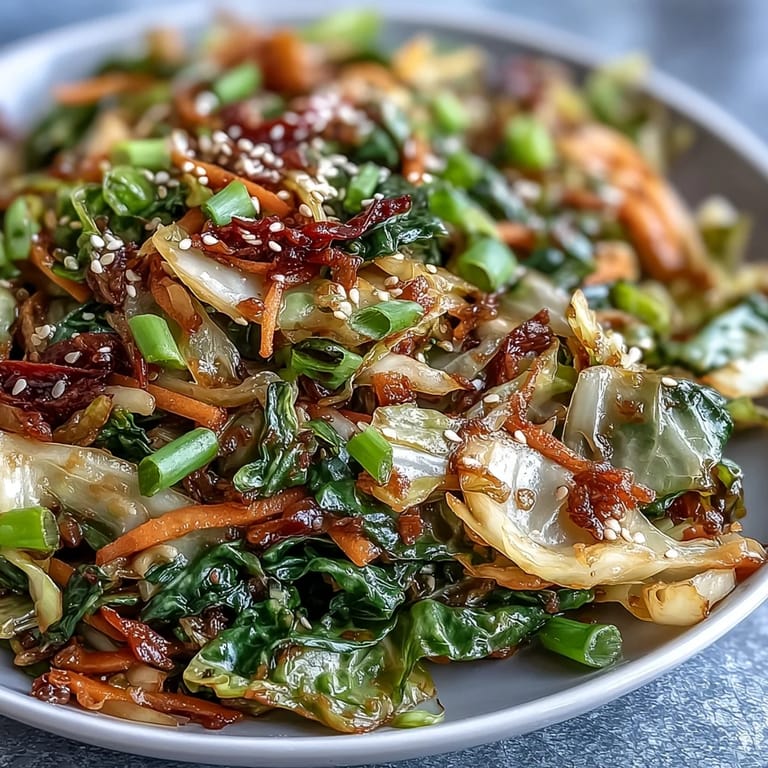
Pin The sizzle from the wok always makes this spicy cabbage stir fry feel like it has a heartbeat of its own. Last spring, I tossed it together for a quick lunch and the aroma of ginger and garlic weaving through the kitchen instantly lifted my mood. The bright flashes of chili and spring onion made it impossible not to sneak bites straight from the pan. No matter how many times I make it, the way the cabbage wilts just at the edges always feels quietly magical.
I remember whipping up this stir fry during a cozy weeknight when my friend dropped by unannounced—he was lured in by the sharp scent of ginger escaping down my hallway. We ended up lingering at the stove, giggling and tasting straight from the wok, spoons clinking against the metal as we decided that this fast meal could outshine any takeout option.
Ingredients
- Green cabbage: Slice it thin for the best texture and fastest cooking—shreds soak up all the sauce.
- Carrot: Julienned carrot brings a hint of sweetness and looks cheerful against the greens, but it’s not required.
- Spring onions: Use both white and green parts for layers of mellow, aromatic flavor.
- Garlic: Freshly chopped cloves are key—pre-minced won’t coax out the same bold aroma.
- Ginger: Grated ginger adds warmth and zing, especially when sizzled first.
- Red chilies: Adjust their quantity to your mood; they decide the heat.
- Soy sauce: Go for tamari if you need gluten-free—the deep umami can’t be skipped.
- Rice vinegar: This rounds out the salty notes with a friendly tang.
- Toasted sesame oil: Stir it in near the end so it doesn’t lose its nutty soul.
- Sugar or maple syrup: Just a little balances the chili and acidity.
- Ground white pepper: A dash brings subtle, earthy heat you’ll miss if you skip it.
- Vegetable oil: High smoke point is crucial—sunflower or peanut oil keep things crisp.
- Toasted sesame seeds: Sprinkle on top for a gentle crunch (and style points).
- Fresh coriander leaves: Only if you love them—the finish is bright and herbal.
Tired of Takeout? 🥡
Get 10 meals you can make faster than delivery arrives. Seriously.
One email. No spam. Unsubscribe anytime.
Instructions
- Get Set:
- Prep your cabbage, carrots, aromatics, and sauce now—the stir fry goes lightning fast once you start.
- Heat Up:
- Warm the oil in your wok until it shimmers and almost smokes, signaling it’s ready for action.
- Wake Up the Aromatics:
- Toss in garlic, ginger, and chilies, stirring just until the air is heady and your nose tingles—about thirty seconds.
- Build the Base:
- Scoop in the white spring onions and carrots if using; keep things moving so nothing lingers or burns.
- Wilt and Color:
- Push in the cabbage, tossing with quick, high heat so it softens at the edges but stays bright and a little crisp.
- Sauce It:
- Pour the prepared sauce over and keep everything turning so every strand gets glossy.
- Finish and Taste:
- Stir fry another minute or two until everything is tender-crisp but not limp; taste and adjust seasoning if you like.
- Final Touch:
- Stir in green spring onion tops, heap onto a plate, and top with sesame seeds and optional coriander.
 Pin
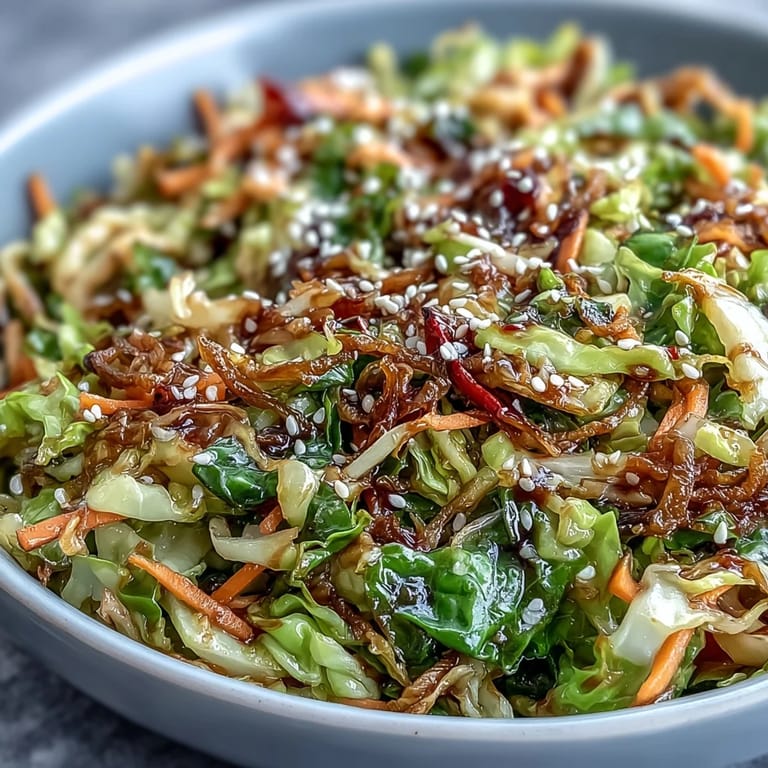
Pin One chilly evening, we made this stir fry to go with plain rice and ended up sitting cross-legged on the kitchen floor, the dish an unplanned centerpiece to spontaneous conversation and shared comfort. It’s amazing how a simple pan of sizzling cabbage can bring a little extra warmth to an ordinary day.
Choosing the Perfect Cabbage
Firm, heavy cabbages with smooth, tight leaves are best—the thinner and fresher the leaves, the quicker they’ll absorb the savory flavors. Don’t worry about a little surface bruising; any rough outer leaves come off easily and what’s left will shine in the wok.
Veggie Swaps and Add-ins
This stir fry welcomes nearly any vegetable hanging out in your fridge drawer. Bell peppers lend color, mushrooms soak up the sauce, and tofu or tempeh turn this into a meal that’s hearty enough for lunch boxes the next day.
How to Master the Wok
High heat and quick hands are your friends; don’t overload the wok or the veggies will steam instead of fry, stealing away that crisp-tender texture. I’ve found it helps to keep everything close by, ready to jump in the pan so each ingredient shines in its moment.
- Use the biggest skillet you have if a wok isn’t handy.
- Slicing everything evenly makes the stir fry cook faster and more predictably.
- If you’re nervous about spice, start with just half a chili—you can always add more heat later.
 Pin
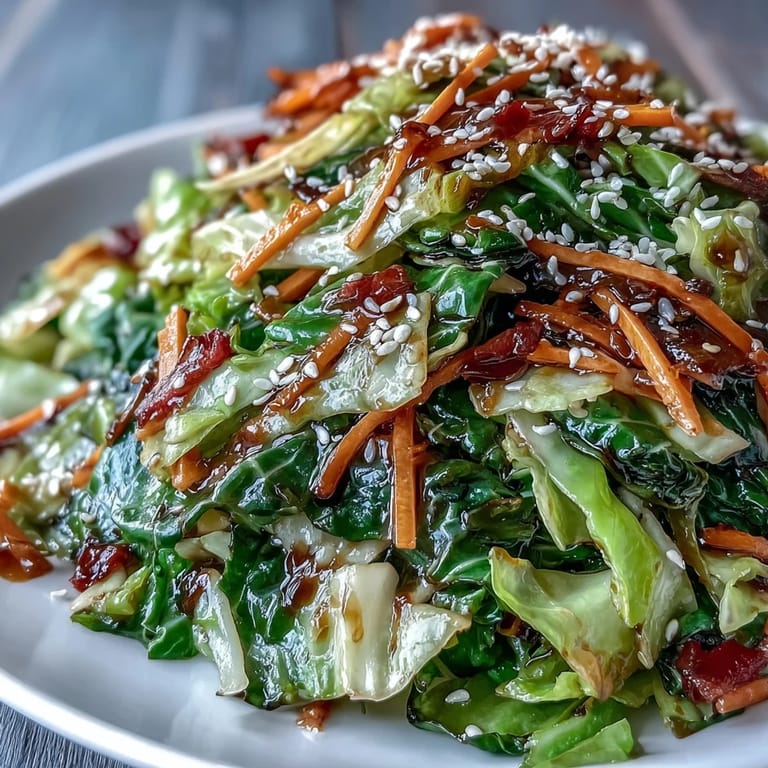
Pin Quick, colorful, and positively addictive, this stir fry never fails to lift my spirits or turn humble veggies into something a little extraordinary.
Recipe FAQ
- → How do I keep the cabbage crisp?
Use high heat and a very hot wok or skillet, toss constantly and cook only until the cabbage is wilted but still bright. Thin, even slices help it cook quickly without turning soggy.
- → What's a good gluten-free swap for the soy?
Use tamari or a certified gluten-free soy sauce in the same amount. Taste and adjust—tamari can be slightly saltier or richer depending on the brand.
- → Can I add protein to make it more filling?
Yes. Add cubed firm tofu or tempeh: pan-fry separately until golden and toss in during the final minute, or stir them in earlier if you prefer them to absorb more sauce.
- → How do I control the heat level?
Adjust the number of fresh red chiles or remove seeds to tame the heat. You can also use a milder chili or add more sugar/maple syrup to balance spiciness.
- → Which oil works best for stir-frying?
Choose a neutral oil with a high smoke point such as sunflower, peanut or canola oil. Toasted sesame oil is used sparingly in the sauce for flavor rather than for frying.
- → How should I store and reheat leftovers?
Cool and refrigerate in an airtight container for up to 3 days. Reheat briefly in a hot skillet to revive texture; avoid microwaving long enough to make the cabbage soggy.