 Pin
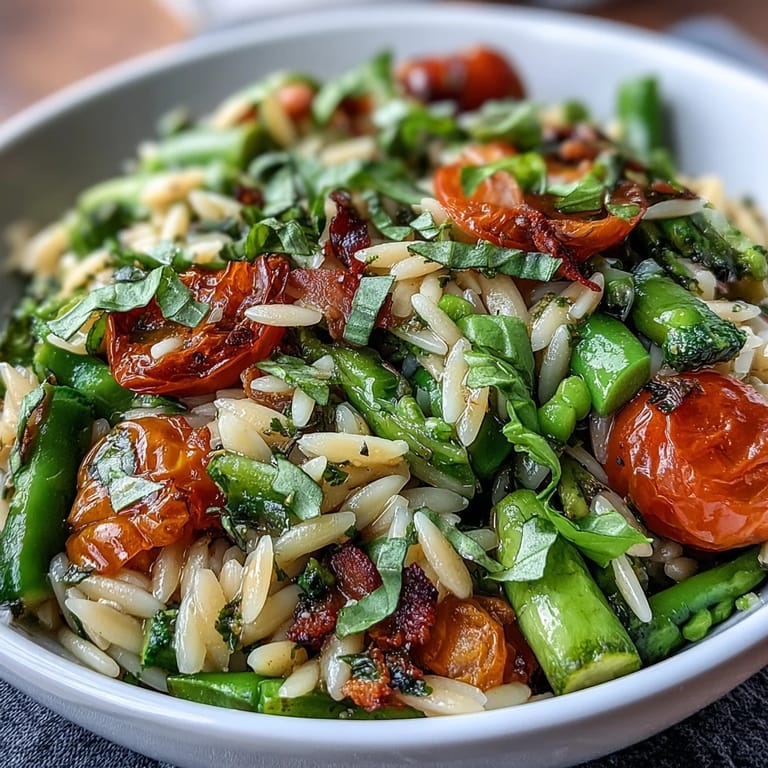
Pin The first whiff of orzo simmering with lemon and basil always makes the kitchen feel brighter, no matter how drizzly the spring day outside. I stumbled into this recipe one Saturday out of sheer impatience with winter, snatching every green thing I could find at the farmers market. That afternoon, I chopped, tossed, and tasted my way into something that felt like eating the season on a fork. The cheerful medley of asparagus, snap peas, and zucchini made our little apartment feel miles from city gray. It was the kind of meal that turns weeknight plans into happy occasions.
I remember tossing this together for friends one April evening, laughter and basil leaves both flying everywhere. There was a point when someone tried to sneak a snap pea before I’d even finished mixing in the cheese—we all agreed it smelled too good to wait. That barely controlled chaos made every plate more rewarding. It’s become a dish I make when I want dinner to feel casual but quietly special. Each time, someone asks for the recipe before dessert hits the table.
Ingredients
- Orzo pasta: The tiny rice-shaped pasta cooks quickly and turns wonderfully creamy when finished with reserved pasta water—taste as you go, because I’ve learned it can overcook fast.
- Olive oil: A good fruity oil builds flavor from the very first sauté—don’t skimp if you can help it.
- Asparagus: Crisp-tender is the goal—trim the ends right before using for the springiest bite.
- Sugar snap peas: Their gentle crunch stands out, especially if you slice them on the diagonal.
- Zucchini: Adds mellow sweetness and soaks up the citrus beautifully; dice even to keep cooking even.
- Cherry tomatoes: When halved, they burst and help make the sauce naturally juicy.
- Frozen peas: No need to cook ahead—just thaw and toss in for a bit of pop and color late in the dish.
- Shallot: Offers a milder, rounder flavor than onion—finely chopped is key so it melts into the base.
- Garlic: Two cloves, minced, bring gentle depth—just until fragrant, not browned.
- Grated parmesan cheese: Gives the sauce body and saltiness—freshly grated works best for meltability.
- Fresh basil: Torn or sliced, it perfumes the whole dish at the end—don’t skip adding some just before serving.
- Unsalted butter: A tablespoon stirred in last makes everything silky, without overwhelming the veggies.
- Salt and freshly ground black pepper: Taste often and add these generously—it’s the difference between bland and lively.
- Lemon zest and juice: Brightens the entire dish—zest first, then juice, so you don’t miss any fragrant oils.
Tired of Takeout? 🥡
Get 10 meals you can make faster than delivery arrives. Seriously.
One email. No spam. Unsubscribe anytime.
Instructions
- Make the Orzo:
- Boil a large pot of salted water and cook the orzo al dente; it should have a gentle bite. Save about half a cup of that starchy magic water before draining and setting the pasta aside.
- Sauté Aromatics:
- Warm olive oil in a big skillet over medium heat. When it shimmers, add the shallot and garlic, stirring for barely two minutes until your kitchen smells impossibly good.
- Add the Green Veggies:
- Drop in asparagus, zucchini, and snap peas. Toss and sauté for 3 to 4 minutes, watching them turn luminous and just tender.
- Tumble in Peas and Tomatoes:
- Add thawed peas and halved cherry tomatoes to the pan. Give everything a quick stir and let tomatoes just start to soften—about 2 more minutes.
- Combine with Orzo:
- Return cooked orzo to the skillet, using a spatula to gently mix the pasta into the veggies so every grain is glistening.
- Finish It Creamy:
- Stir in butter, parmesan, lemon zest, and lemon juice—it should smell like springtime at this point. Gradually pour in reserved pasta water, stirring until the sauce is silky and coats every bit.
- Season and Brighten:
- Add salt and pepper to taste, and remove from heat. Right at the end, fold in the basil to keep it fresh and fragrant.
- Serve and Garnish:
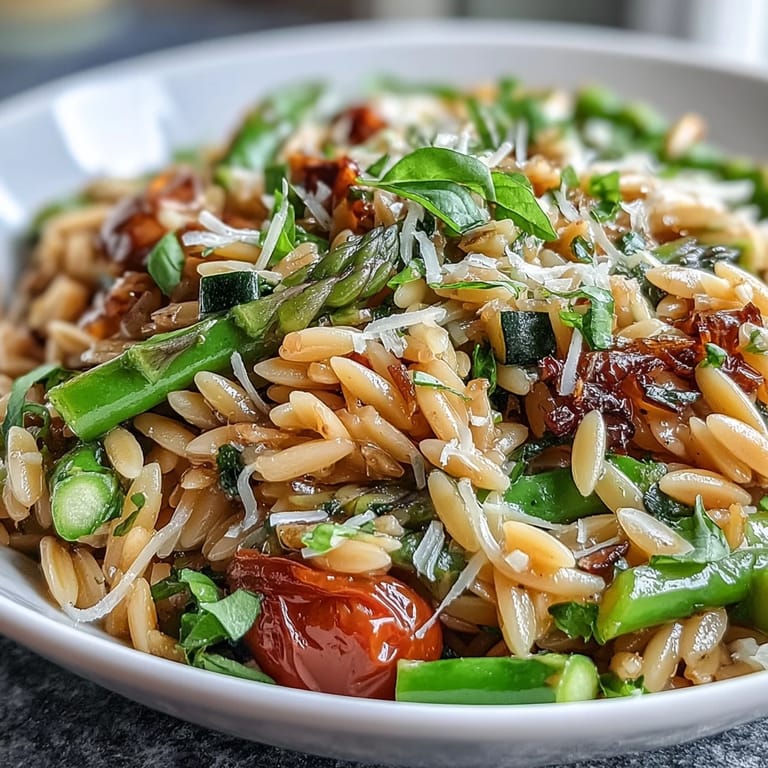
- Spoon onto plates while hot. Top with extra parmesan and a flourish of basil if you want to go all out.
 Pin
Pin 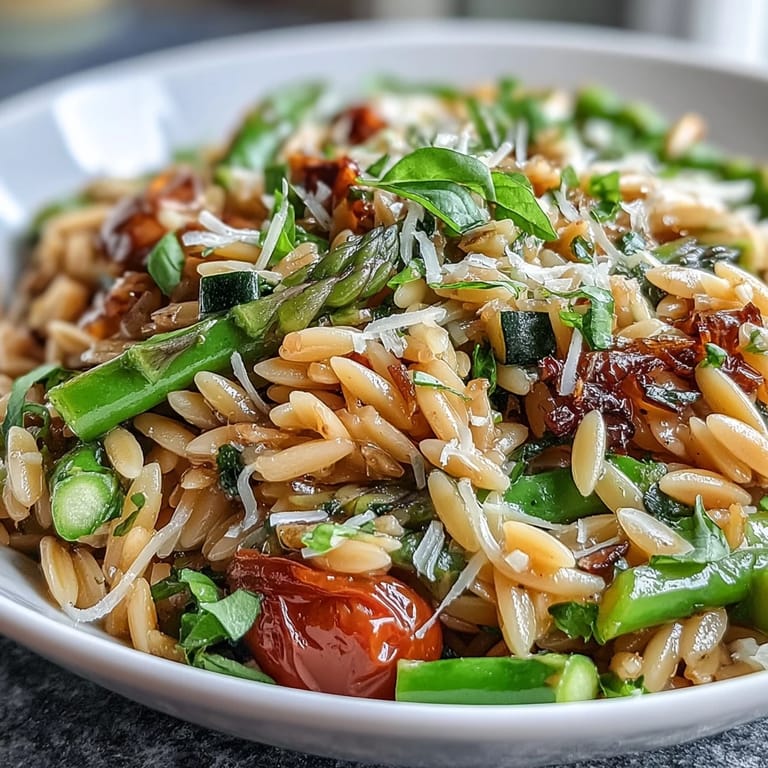 Pin
Pin One spring, we ate this outside on the back steps—no fancy table, just mismatched bowls and a couple of cold drinks. I remember the sunshine and lemon zest lingering as long as the conversation. The food vanished quickly, but it was the afterglow that made the memory.
Make It Your Own: Swaps and Add-Ins
I sometimes toss in baby spinach if I have too much, or swap zucchini for yellow squash when that’s what the garden is giving. Artichoke hearts make a nice twist, and grilled chicken stirred in at the end turns this into a heartier meal for extra-hungry evenings. For those avoiding dairy, vegan parmesan and a drizzle of olive oil can step in beautifully.
Keeping It Quick, Fresh, and Mess-Free
I’ve found that prepping everything before I cook—chopping all my veggies, zesting and juicing the lemon, grating cheese—makes this recipe a breeze when it comes time to sauté. Washing up is minimal since you only need a pot, skillet, and your favorite knife, so cleanup never overshadows that post-dinner glow. If you’re rushing, frozen peas go in last and barely need heating.
Secrets for the Silkiest Orzo
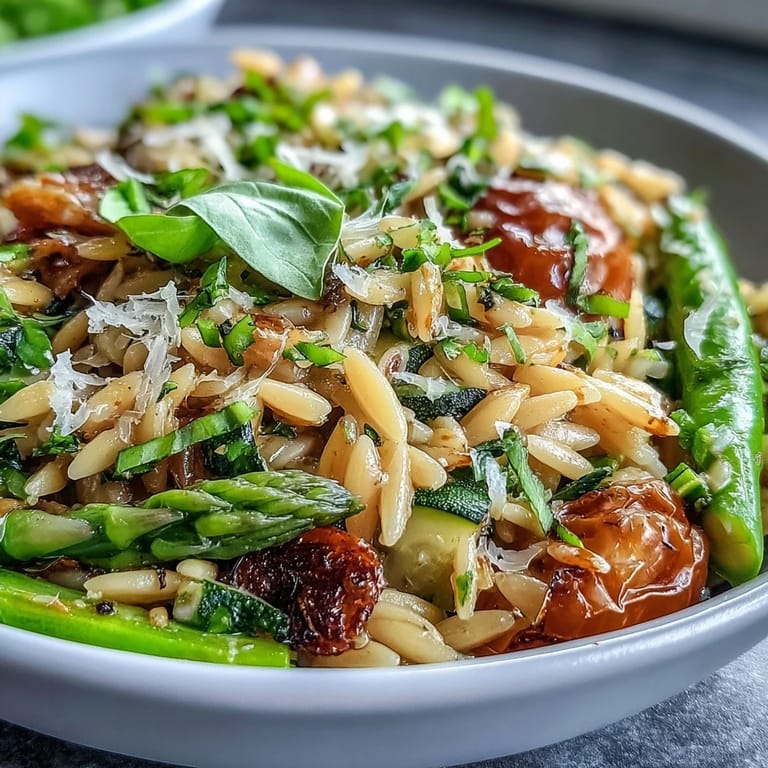
Getting the sauce just right is all about patience—add pasta water gradually and keep the heat low while you stir. Finish with basil only at the end so it stays lively, not wilted. Be generous with the lemon zest if you crave brightness, and let parmesan rain down with abandon.
- If you want it extra creamy, reserve a bit more pasta water than you think you’ll need.
- Taste as you go to avoid under- or over-salting—parmesan brings salt, too.
- Use a wide skillet for more room to toss everything evenly.
 Pin
Pin 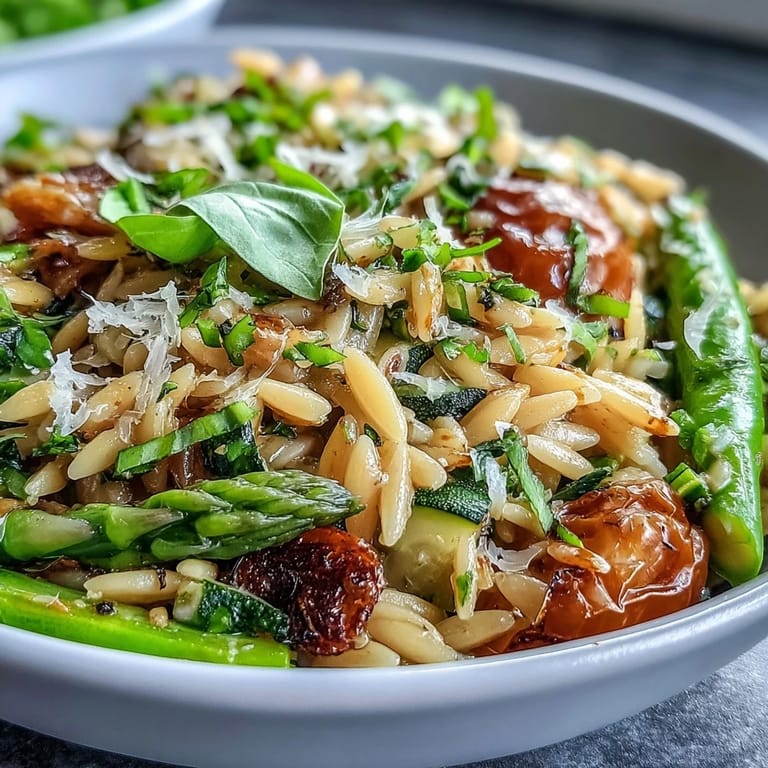 Pin
Pin Hope this dish brings a bit of fresh, spring energy into your kitchen—whether you’re cooking for yourself or a tableful, it’s meant to be as easygoing as it is delicious.
Recipe FAQ
- → Can I make this without dairy?
Yes. Substitute plant-based butter and a vegan parmesan alternative or nutritional yeast to maintain a creamy, savory finish while keeping the bright citrus and basil notes.
- → How do I keep the orzo from sticking together?
Cook orzo in plenty of well-salted boiling water until just al dente, drain promptly, and toss with a little olive oil or add it straight to the skillet so it absorbs sauce and stays separated.
- → What's the best way to get a creamy texture without heavy cream?
Use reserved pasta water and grated parmesan: the starchy water emulsifies with butter and cheese to create a silky coating without adding cream.
- → Can I add protein to make it heartier?
Yes—grilled chicken or shrimp pair well. Fold the cooked protein in at the end so it warms through without overcooking the vegetables.
- → Which vegetables can I swap in for seasonal variety?
Try baby spinach, artichoke hearts, roasted bell pepper, or spring greens. Add more delicate greens at the end so they wilt gently without losing color.
- → How should leftovers be stored and reheated?
Cool quickly and refrigerate in an airtight container for up to 3 days. Reheat gently in a skillet with a splash of water or stock to restore creaminess and avoid drying out.