 Pin
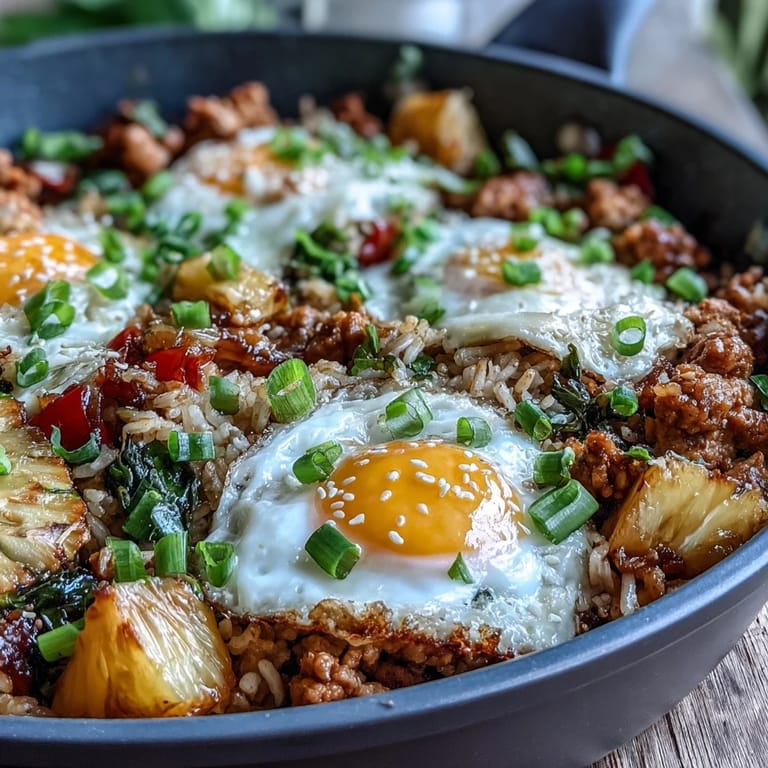
Pin My coworker Sarah brought this to our office potluck on a gray Thursday, and I watched people actually fight over the last scoop—something I'd never seen happen with rice dishes before. She explained it was inspired by a Korean restaurant's takeout menu, but made faster and better at home. One bite and I understood the fuss: that perfect balance of tangy, sweet, and savory hit all at once, and the pineapple chunks made it feel almost fancy for something you throw together in under an hour.
I made this for my partner on a night when nothing in the fridge seemed promising, and somehow it became the dish we request on tough weeks now. There's something about watching the sauce coat the rice and seeing those pineapple chunks glisten that feels like small kitchen magic. The whole thing comes together so quickly that you're eating warm food while the stove's still hot, which feels like winning at adulting.
Ingredients
- Ground turkey: One pound gives you lean protein that soaks up flavor without weighing the dish down; if you can only find it slightly pink, that's fine—it'll finish cooking in the pan.
- Red, green, and yellow bell peppers: The color isn't just pretty—each brings its own sweetness and texture, and mixing them is the difference between bland and vibrant.
- Pineapple chunks: Fresh is wonderful if you have time, but canned drained pineapple works just as well and sometimes tastes sweeter; don't skip this because it's what makes people ask for the recipe.
- Gochujang: This Korean chili paste is your secret weapon—it adds depth and a gentle heat that balloons when mixed with vinegar and sugar, so start with 1 tablespoon and adjust up if you like more kick.
- Day-old cooked rice: Cold or room-temperature rice breaks up easier and absorbs the sauce faster than fresh rice; if you only have warm rice, spread it on a plate for a few minutes first.
- Soy sauce, rice vinegar, ketchup, and sesame oil: Together these create the sauce that transforms everything—each one matters, and skipping any makes the dish taste flat.
Tired of Takeout? 🥡
Get 10 meals you can make faster than delivery arrives. Seriously.
One email. No spam. Unsubscribe anytime.
Instructions
- Brown the turkey with focus:
- Heat your skillet hot and let the oil shimmer before adding turkey; listen for that satisfying sizzle and break the meat into small, even pieces with your spoon so it cooks through evenly and colors nicely. This step takes about 5–6 minutes and sets the tone for everything that follows.
- Build flavor with aromatics:
- Once the turkey is gone, add your remaining oil and let the onion and garlic get fragrant—this should only take 2 minutes but don't rush it because this is where the savory foundation lives. You'll notice the kitchen smell shift, which means you're right on track.
- Soften the peppers gently:
- Add your three colors of bell pepper and give them 3–4 minutes; you want them tender but still with a slight bite, not soft and sad. Stir occasionally and watch them change color slightly as they warm through.
- Bring turkey home:
- Return the cooked turkey to the pan with the vegetables and pineapple, stirring to combine everything loosely. This is where the dish starts to feel real.
- Make the magic sauce:
- In a small bowl, whisk soy sauce, rice vinegar, ketchup, gochujang, brown sugar, and sesame oil until smooth and combined; taste it straight if you like and adjust the gochujang now because once it hits the hot pan, it's harder to tweak. Pour it into the skillet and toss everything until every piece gets coated in that glossy, tangy goodness.
- Bring the rice into the party:
- Add your cooked rice and use your spoon to break up any clumps; this usually takes about 3–4 minutes of gentle stirring over medium-high heat. The rice will absorb the sauce and everything will taste harmonious, like it was meant to be together.
- Taste and trust yourself:
- A quick taste here lets you adjust salt, sweetness, or heat one last time; this is your moment to make it exactly right for your palate.
- Optional egg magic:
- In a separate nonstick pan, fry eggs sunny-side up if you want them; the runny yolk becomes a sauce of its own when you break it into the rice.
- Finish with flair:
- Scatter fresh scallions and toasted sesame seeds over the top; these aren't just garnish—they add a fresh brightness and nutty crunch that complete the dish.
 Pin
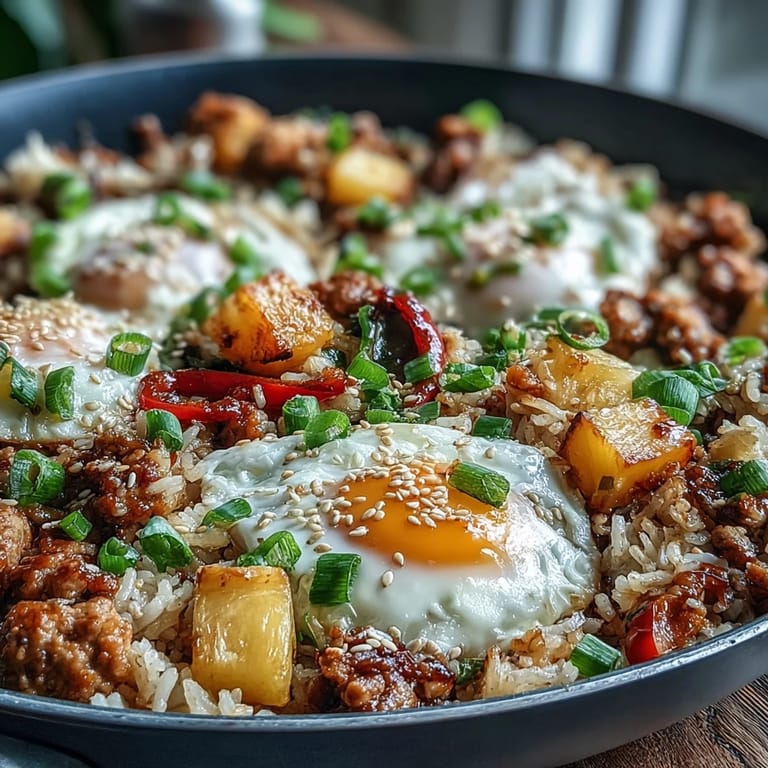
Pin My mom made this for my kid's soccer team dinner once, and a picky eater I've known for years actually asked for seconds—something that almost never happens. Watching picky kids eat vegetables they normally push around made me realize this recipe works because it doesn't pretend to be health food; it's delicious first, which somehow makes the nutrition come along for the ride.
Why This Works as a Weeknight Hero
This skillet wins because nothing requires special timing or technique—you're not juggling multiple pans or waiting for something to cool before the next step. Everything happens in sequence in one place, and by the time you've chopped your vegetables, the turkey's almost done. It's the kind of dish that feels like you've been cooking all day but only takes the time you'd spend scrolling anyway.
Playing with Heat and Sweetness
The beauty of this recipe is how easily it bends to your mood—if you want it spicier, increase the gochujang by half a teaspoon or add red pepper flakes at the end. If you prefer it sweeter, a touch more brown sugar won't hurt; if you want it tangier, sneak in more rice vinegar. Some nights I add a tablespoon of water if the sauce feels too thick, and other times I let it reduce down until it's almost sticky.
Beyond the Basic Recipe
Once you've made this a few times, you'll start seeing it as a template rather than a rigid instruction—swap the turkey for ground chicken or pork, add snap peas or water chestnuts for crunch, or throw in mushrooms if you want earthy notes. I've even made a version with frozen stir-fry vegetables when fresh ones felt expensive, and honestly, it was just as good.
- Leftovers keep perfectly in the fridge for three days and actually taste even better the next day when the flavors have had time to meld.
- If you're cooking for one, this halves beautifully and reheats gently on the stovetop with a splash of water if needed.
- The sauce-to-rice ratio is generous, so if you love the sauce more than I do, you might want to increase the vinegar and soy sauce by a quarter.
 Pin
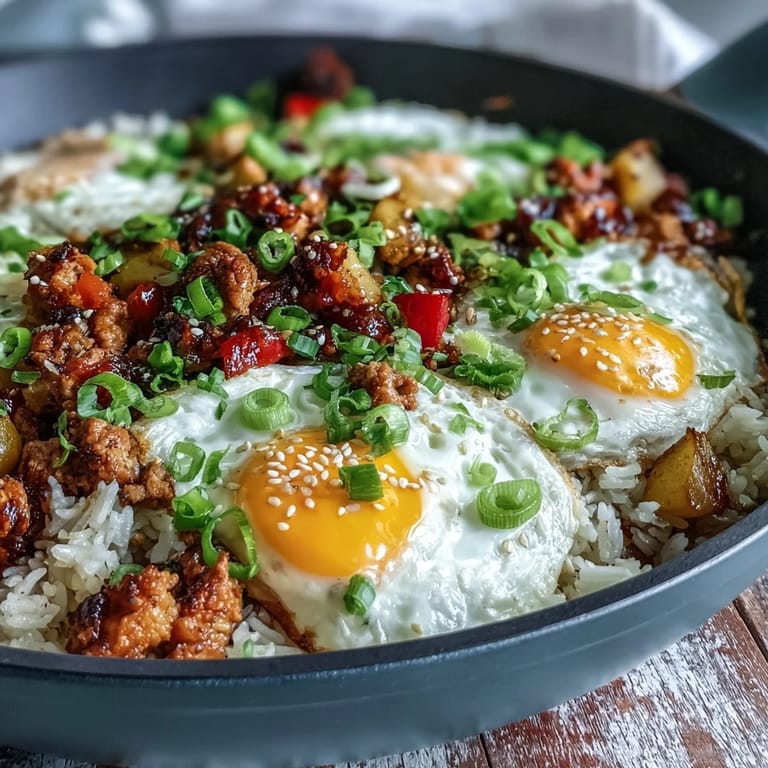
Pin This recipe became proof to me that weeknight cooking doesn't mean sacrificing flavor or drama—it just means being smart about what you let do the heavy lifting. Every time I make it, I remember why it landed on our regular rotation, and how something this good should feel this easy.
Recipe FAQ
- → Can I use fresh pineapple instead of canned?
Yes, fresh pineapple works beautifully in this skillet. Just cut it into chunks similar to what you'd get from canned pineapple. Fresh pineapple may add a slightly brighter, more acidic flavor to the dish.
- → What can I substitute for gochujang?
If you don't have gochujang, you can use sriracha, sambal oelek, or even red pepper flakes with a touch of miso paste to mimic the fermented flavor. Adjust the quantity based on your heat preference.
- → Why should I use day-old rice?
Day-old rice has less moisture, which prevents it from becoming mushy during stir-frying. It separates better and absorbs the sauce more effectively, giving you fluffy, distinct grains rather than a sticky clump.
- → Can I make this dish vegetarian?
Absolutely! Substitute the ground turkey with crumbled extra-firm tofu, tempeh, or plant-based ground meat alternative. You may want to add a bit more soy sauce or a splash of vegetarian fish sauce to maintain the savory depth.
- → How spicy is this dish?
With one tablespoon of gochujang, this skillet has a mild to medium heat level that adds depth without overwhelming the sweet-and-sour flavors. You can easily adjust the spice by adding more gochujang or red pepper flakes to suit your taste.
- → Can I freeze leftovers?
Yes, this dish freezes well for up to 2-3 months. Store in airtight containers and thaw overnight in the refrigerator before reheating. The rice may become slightly softer after freezing, but the flavors will remain delicious.