 Pin
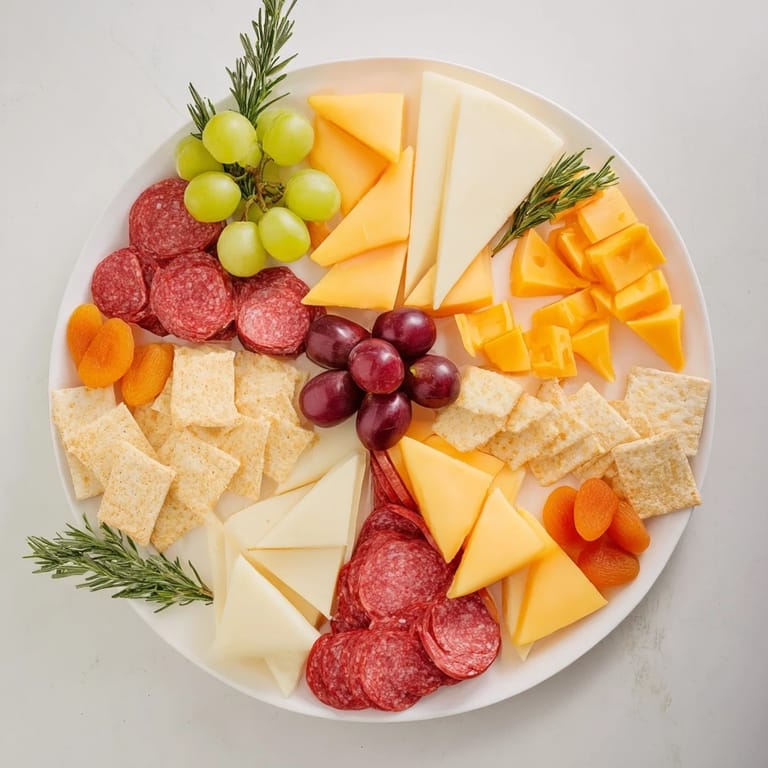
Pin My friend called it "edible geometry," and I haven't stopped laughing since. We were hosting a dinner party on a Saturday evening when someone suggested we try something different with the standard charcuterie board, something that would stop people mid-conversation and make them pause before eating. That's when the idea struck: what if every single element was cut into intentional shapes—triangles and rhombuses arranged like a modern art installation? The board took longer to arrange than we expected, but watching guests' faces light up when they saw it made every careful knife stroke worth it.
The moment that really sealed this dish for me was when my usually-quiet neighbor actually put her phone down, leaned over the board, and asked me how long it took to cut everything. We ended up talking for forty minutes about the colors, the shapes, the way the light hit the Manchego. Food can be art, and that night proved it doesn't need to be complicated to be beautiful.
Ingredients
- Manchego cheese: This firm Spanish sheep's milk cheese holds its shape beautifully when cut, and its slightly salty, nutty flavor keeps people reaching for more.
- Aged cheddar: Look for a block that's firm enough to cut cleanly; the older the cheddar, the better it slices into precise shapes without crumbling.
- Brie: Chill it well before cutting so it stays firm, and use a warm knife to slice through without dragging the creamy interior.
- Gruyère: Its crystalline texture is forgiving to cut and adds sophisticated depth to the board.
- Prosciutto: Buy the thinnest slices possible; they fold into perfect triangles without tearing.
- Soppressata: This Italian salami's firm texture means you can trim it into rhombuses without it falling apart.
- Chorizo: The diagonal slices create natural rhombuses that look intentional and polished.
- Red and green grapes: These provide color contrast and their round shape actually complements the geometric cuts by breaking up the pattern.
- Dried apricots: If you trim these into shapes, they become decorative elements rather than afterthoughts.
- Marcona almonds: Their buttery flavor and oval shape fit naturally into the design without needing adjustment.
- Fig jam: A dollop of sweetness that ties the board together and gives hands something to reach for.
- Gluten-free seed crackers: These already have interesting texture; breaking them into triangles keeps the theme consistent.
- Fresh rosemary or thyme: Beyond garnish, the aroma signals something special is happening on this board.
Tired of Takeout? 🥡
Get 10 meals you can make faster than delivery arrives. Seriously.
One email. No spam. Unsubscribe anytime.
Instructions
- Sharpen your knife and set up your station:
- A sharp knife is the secret to clean cuts; dull knives will crush delicate cheeses. Lay out all your ingredients on a cutting board with a damp towel underneath to keep everything steady.
- Cut your cheeses into triangles and rhombuses:
- For triangles, slice the cheese block into thin rectangles, then cut diagonally corner to corner. For rhombuses, slice at opposing angles to create that diamond shape. Keep your knife straight and deliberate; hesitation creates messy edges.
- Cut and fold your cured meats:
- Prosciutto folds naturally into triangles without cutting. For soppressata and chorizo, slice at a slight angle, then trim each slice into a rhombus shape with clean lines.
- Prepare your accompaniments:
- Gather the grapes in small clusters, trim apricots if you want them geometric, and taste one almond to make sure they're fresh. These elements fill gaps and add visual rhythm.
- Arrange on your serving board:
- Start by placing your largest pieces—the cheeses—in a pattern that feels balanced to your eye. Alternate triangle and rhombus shapes, mixing colors as you go. Think about negative space; this isn't about cramming everything in.
- Fill in with meats and clusters:
- Nestle the cured meats between cheeses, maintaining your geometric theme. Position grape clusters and apricot pieces to create visual breaks and color contrast.
- Add the final touches:
- Place small bowls of fig jam around the board, arrange crackers in neat stacks, and tuck fresh herb sprigs into spaces. Step back and look at it before anyone sees it.
- Serve with intention:
- Bring the board to the table with confidence. The presentation is half the pleasure of eating it.
 Pin
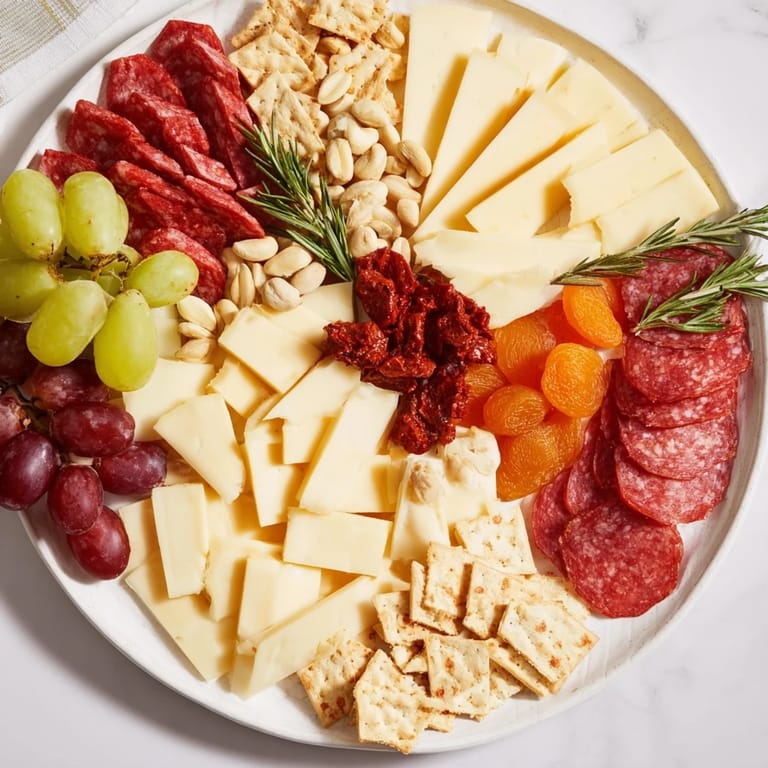
Pin There's something deeply satisfying about arranging food as if you're composing a painting. That night, my friend and I stood back and just looked at what we'd created for a solid minute before anyone else arrived, and that moment of quiet appreciation made the whole project feel worth it.
The Color Theory Behind Your Board
I realized partway through arranging that colors tell their own story. The warm gold of aged cheddar plays beautifully against the creamy white of brie, while the deep red of prosciutto grounds the palette. The bright red grapes become focal points, and the pale apricots create soft transitions. You don't need to overthink this, but spending a moment considering how colors dance together transforms the board from random to intentional.
Why Geometry Matters (Even on a Plate)
I used to serve charcuterie boards the traditional way—artfully arranged but organic, shapes everywhere. This geometric version taught me something: constraints actually free you creatively. Because every piece follows a rule, every placement feels purposeful. It's like the difference between random and rhythm. Your eye rests on the pattern rather than searching for balance, and that makes the whole experience feel more complete.
Timing and Temperature Secrets
Prepare everything cold and assemble at the last possible moment. The moment cheeses warm up, they soften and start losing their geometric definition. I learned this the hard way when we assembled the board an hour early for a party and watched the brie slowly blur at its edges. Now I do all cutting and prep, keep everything refrigerated, and only arrange it ten minutes before guests arrive. The shapes stay crisp, the flavors are at their peak, and you're not stressing about a board that's been sitting at room temperature.
- If your kitchen runs warm, place the serving board in the refrigerator while you're arranging so cheeses stay firm longer.
- Prosciutto can be draped last if you're concerned about it wilting; it stays crisper that way and looks fresher.
- Serve with room-temperature wine to let people focus on the flavors without temperature contrasts distracting them.
 Pin
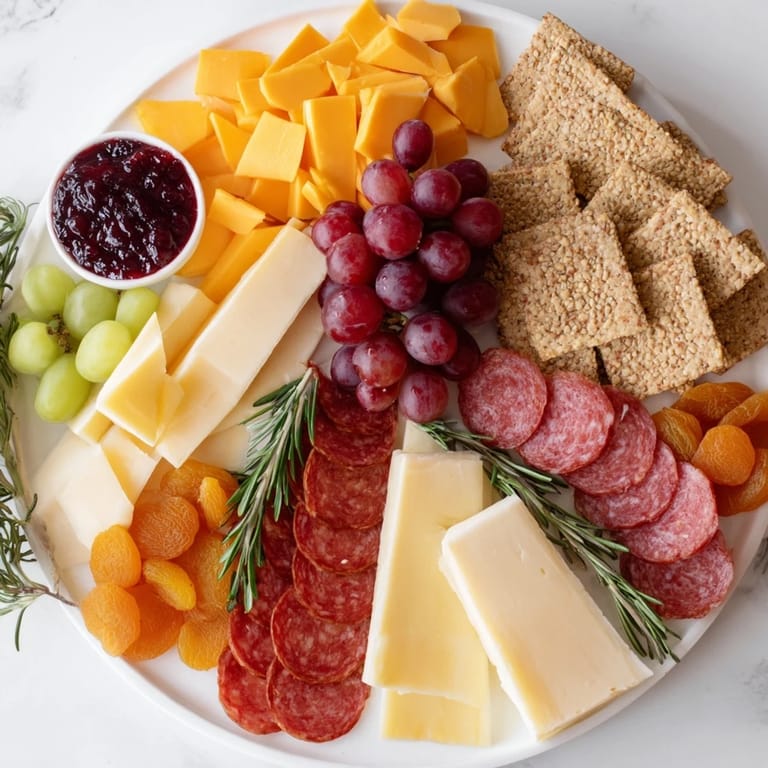
Pin This board proves that appetizers can be art. Serve it with friends who appreciate both beauty and flavor, and you've created something worth remembering.
Recipe FAQ
- → What cheeses work best for this board?
Choose firm cheeses like Manchego, Aged Cheddar, Brie, and Gruyère to maintain sharp geometric cuts.
- → How can I create precise triangular and rhombus shapes?
Use a sharp chef's knife and consider a ruler or guide for clean, uniform shapes.
- → What meats complement the geometric theme?
Cured meats like Prosciutto, Soppressata, and Chorizo cut into matching triangles and rhombuses enhance the visual appeal.
- → Are there suitable alternatives to the suggested accompaniments?
Yes, fresh fruits, dried apricots, nuts like Marcona almonds, and fig jam add balance and contrast.
- → How should I serve and garnish the board?
Arrange all elements neatly with fresh rosemary or thyme sprigs for aroma and a refined finish.
- → Is this board gluten-free?
Yes, by using gluten-free seed crackers, this board suits gluten-free needs.