 Pin
Pin There's something about the smell of caramel bubbling on the stove that instantly takes me back to autumn festivals and sticky fingers. My neighbor knocked on my door one October afternoon with a bag of apples from her tree, and I found myself digging through old family recipe boxes looking for inspiration. That's when I landed on candy apples, but I wanted to elevate them with something unexpected—a flick of flaky sea salt that would make your mouth do a little dance between sweet and salty. Now I make them every fall, and somehow they taste better each time.
I'll never forget watching my five-year-old cousin take her first bite of one of these at a family gathering. Her eyes went wide, she chewed for a moment, then announced very seriously that this was the best apple ever made. That comment alone made me feel like I'd cracked some kind of culinary code, and now they're the one thing everyone requests when I visit.
Ingredients
- Small to medium crisp apples (Granny Smith or Honeycrisp work beautifully): These varieties have enough tartness to cut through the sweetness and hold their structure without turning mealy once you bite through the caramel.
- Sturdy wooden sticks: Don't skimp here—flimsy sticks will snap under the weight of caramel, and you'll end up with a sticky mess and a disappointed face.
- Unsalted butter: This is the foundation of silky caramel; salted butter will throw off your salt balance later.
- Packed light brown sugar: The molasses content gives the caramel a deeper, richer flavor than white sugar ever could.
- Light corn syrup: It prevents crystallization and keeps your caramel smooth and glossy rather than grainy.
- Sweetened condensed milk: This creates that fudgy, creamy texture that regular milk just can't achieve.
- Fine sea salt (for the caramel): A small amount balances the sweetness and enhances all the flavors.
- Pure vanilla extract: Added at the end, it whispers rather than shouts, rounding out the caramel's profile.
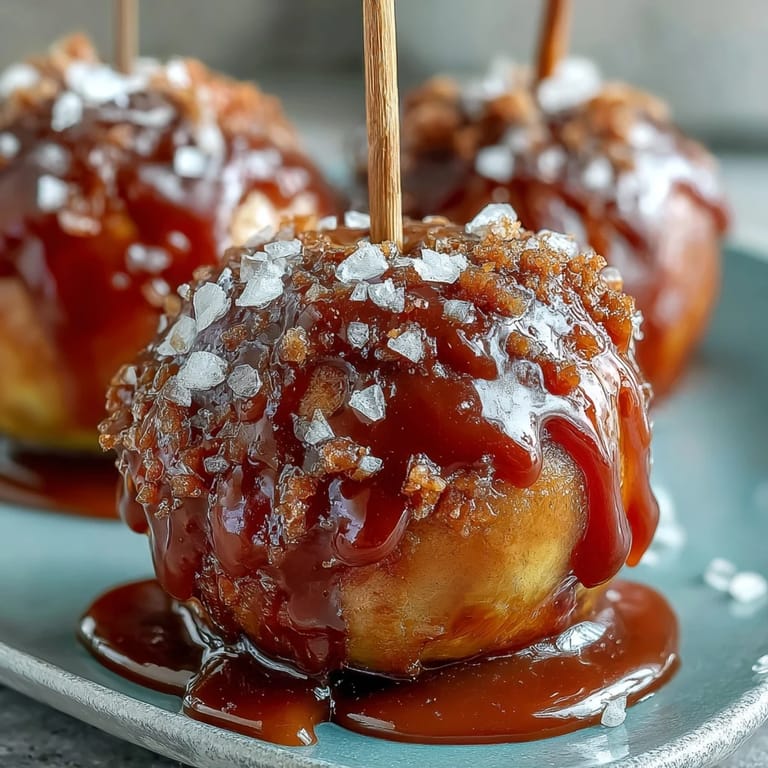
- Flaky sea salt (Maldon preferred): The larger crystals don't dissolve immediately, so you get little bursts of salt with each bite—this is where the magic happens.
Tired of Takeout? 🥡
Get 10 meals you can make faster than delivery arrives. Seriously.
One email. No spam. Unsubscribe anytime.
Instructions
- Prep your apples and workspace:
- Wash each apple thoroughly and pat dry—any moisture is the enemy of caramel sticking. Push wooden sticks firmly into the stem end, then line your baking sheet with parchment paper and give it a light grease so the finished apples won't stick.
- Build your caramel base:
- In a heavy-bottomed saucepan, melt butter over medium heat, then stir in brown sugar, corn syrup, condensed milk, and fine sea salt. This combination is your canvas, and you want everything to blend smoothly before things get hot.
- Bring it all together:
- Keep stirring constantly with a wooden spoon or heatproof spatula until the mixture reaches a gentle boil. You'll notice the color deepen and the smell become irresistible—that's your cue that things are happening.
- Watch the thermometer like a hawk:
- Once it boils, clip a candy thermometer to the pan and keep stirring until it hits exactly 240°F, which is the soft-ball stage. This usually takes about 10 to 15 minutes, and honestly, this is where patience becomes your best friend.
- Finish with vanilla:
- The moment it reaches temperature, remove the pan from heat and stir in vanilla extract. Don't skip this step—it adds a subtle complexity that makes people wonder what you did differently.
- Let it cool just enough:
- Wait 2 to 3 minutes for the caramel to thicken slightly; it should still be pourable but not scorching hot. If you dip too soon, it'll slide right off the apple, and if you wait too long, it'll be too thick to coat evenly.
- The dipping moment:
- Hold each apple by its stick and dip it into the caramel in one smooth motion, turning it gently to coat evenly. Let the excess drip off for a few seconds, then place it carefully on your prepared sheet.
- Salt while it's still warm:
- This is crucial—sprinkle flaky sea salt on each apple while the caramel is still slightly tacky. If you wait until it's completely set, the salt won't stick properly.
- Let them set and be patient:
- Leave them at room temperature for at least 30 minutes to allow the caramel to firm up completely. I know it's tempting to grab one early, but trust me, the wait is worth it.
 Pin
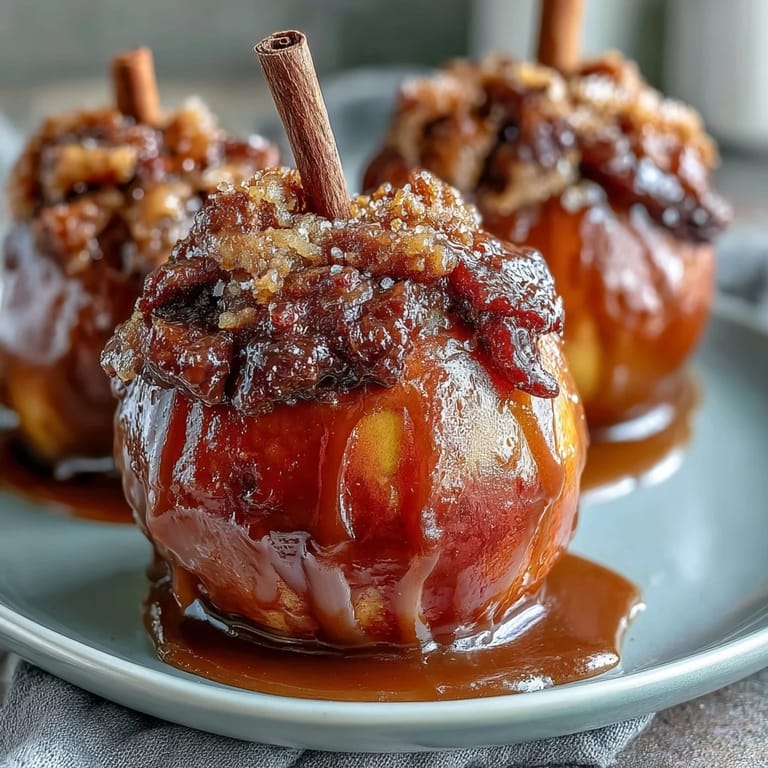
Pin There's a moment right before serving when I line the finished apples up on a platter and the afternoon light hits them just right, making the caramel glow amber. It's when I realize this simple treat has become something that brings people together—it's not just food, it's an experience, a conversation, a memory being made.
Choosing the Right Apples
The apple you choose matters more than you'd think. Granny Smith apples are tart and firm, which means they stand up beautifully to the sweetness of caramel without turning mushy. Honeycrisp apples are sweeter and crunchier, which gives you a different flavor balance but equally delicious results. I've learned through trial and error that soft varieties like Red Delicious turn mealy under the caramel coating, so stick with what has backbone. Size matters too—aim for small to medium apples so they're easy to hold and bite into.
Caramel Temperature and Timing
I used to eyeball the caramel doneness by color alone, and it was a disaster. Now I'm a believer in the candy thermometer because the soft-ball stage at 240°F is what gives you that perfect chewy-but-not-sticky texture. If you go to hard-ball stage (250°F), the caramel becomes brittle and cracks when you bite it, which sounds nice in theory but is actually annoying when eating. Temperature control is the difference between a treat you'll actually want to eat and one that feels like chewing on hardened glue.
Creative Variations and Finishing Touches
Once you master the basic version, the possibilities become endless. Some nights I toast chopped pecans or almonds and press them into the caramel while it's still tacky, which adds a gorgeous crunch and nutty depth. Other times I drizzle dark chocolate over the set apples in thin lines, letting it cool into beautiful contrasting stripes. I've even rolled them in toasted coconut flakes for a tropical twist, though I'll admit nothing quite beats the simple elegance of just sea salt. The key is always to add toppings or drizzles while the caramel is still slightly warm and sticky, so everything adheres properly.
- Toasted nuts pressed into warm caramel add texture and make each apple feel special.
- A dark chocolate drizzle creates visual interest and pairs beautifully with the salty-sweet combination.
- Flaked coconut or even crushed candy canes work if you're feeling adventurous and want to surprise people.
 Pin
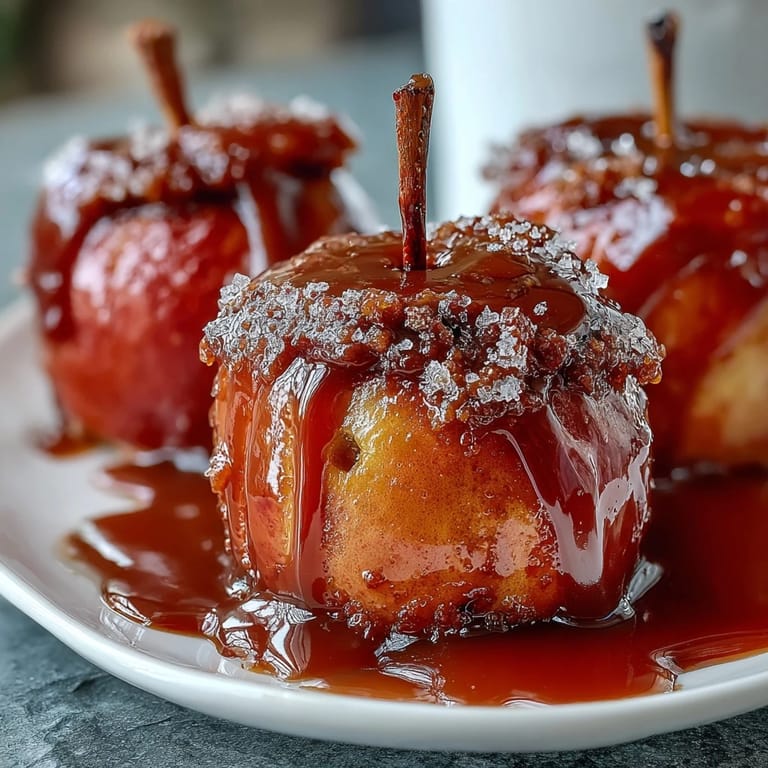
Pin These candy apples remind me that sometimes the best treats are the simplest ones, elevated by paying attention to details and trusting the process. Make them, share them, and watch people's faces light up when they taste that perfect balance of caramel, fruit, and salt.
Recipe FAQ
- → What type of apples work best for caramel dipping?
Choose small to medium crisp apples like Granny Smith or Honeycrisp for tartness and sturdy texture that hold up well under caramel.
- → How do I prevent the caramel from sticking to the apples?
Make sure apples are thoroughly washed and dried; dipping slippery apples can cause caramel to slide off. Dipping apples briefly in boiling water and drying can improve caramel adhesion.
- → What is the ideal temperature for cooking caramel?
Cook the caramel to the soft-ball stage around 240°F (115°C) for the right consistency that coats apples smoothly but firms up nicely.
- → Can I add toppings besides sea salt?
Yes, try rolling caramel apples in chopped toasted nuts or drizzling with melted dark chocolate for added texture and flavor.
- → How long should caramel apples set before serving?
Let caramel apples rest at room temperature for at least 30 minutes until the caramel firms up properly.