 Pin
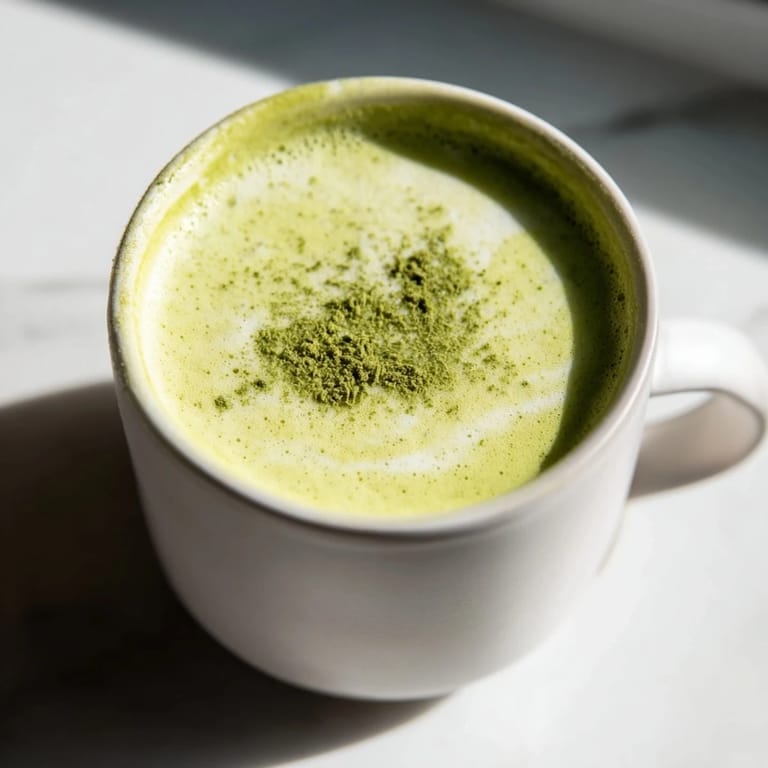
Pin The first time I made a matcha latte at home, I was convinced I'd ruin it. I'd ordered them countless times at cafes, watching baristas whisk the powder with such practiced grace, and I assumed it required some secret technique I didn't possess. But one quiet morning, armed with a small whisk and curiosity, I discovered that matcha isn't about perfection—it's about the ritual. That gentle zigzag motion, the transformation from powder to silky green cream, the way steam rises from the milk—it all felt meditative in a way I didn't expect.
I remember making this for a friend who'd just moved into her first apartment, and we stood in her barely-furnished kitchen with matching mugs, watching the green foam settle on top. She'd been stressed about the move, but something about that quiet moment—the warmth in our hands, the earthy aroma—shifted the whole mood. Now whenever she makes it, she texts me a photo, and it's become our thing.
Ingredients
- Matcha green tea powder: This is where quality matters; a vibrant green powder signals freshness and better flavor than anything dull or grayish.
- Hot water: The temperature makes all the difference—boiling water burns the delicate matcha and turns it bitter, so let your kettle cool for a minute first.
- Milk: Dairy, oat, almond, or soy all work beautifully; each brings its own subtle sweetness to balance the tea.
- Honey, maple syrup, or sugar: Start with less than you think you need—matcha has a natural vegetal sweetness that shines through when you don't overpower it.
Tired of Takeout? 🥡
Get 10 meals you can make faster than delivery arrives. Seriously.
One email. No spam. Unsubscribe anytime.
Instructions
- Sift and prepare:
- Pour your matcha through a fine mesh sieve directly into your bowl or mug, breaking up any little clumps with the back of a spoon. This single step prevents grainy texture and ensures everything dissolves smoothly.
- Whisk into existence:
- Add the hot water and whisk in quick zigzag motions—not circles—letting the whisk glide back and forth across the bottom. You'll see it transform from powder to foam, and that's when you know it's ready.
- Heat the milk:
- Pour your milk into a saucepan and warm it over medium heat, watching for the first wisps of steam rising from the surface. If you have a frother, this is where it shines; if not, a gentle pour and stir will incorporate air just fine.
- Combine with intention:
- Pour the bright green matcha mixture into your waiting mugs, leaving room at the top for milk. Sweeten now if you'd like, stirring gently to blend it in.
- Layer the milk:
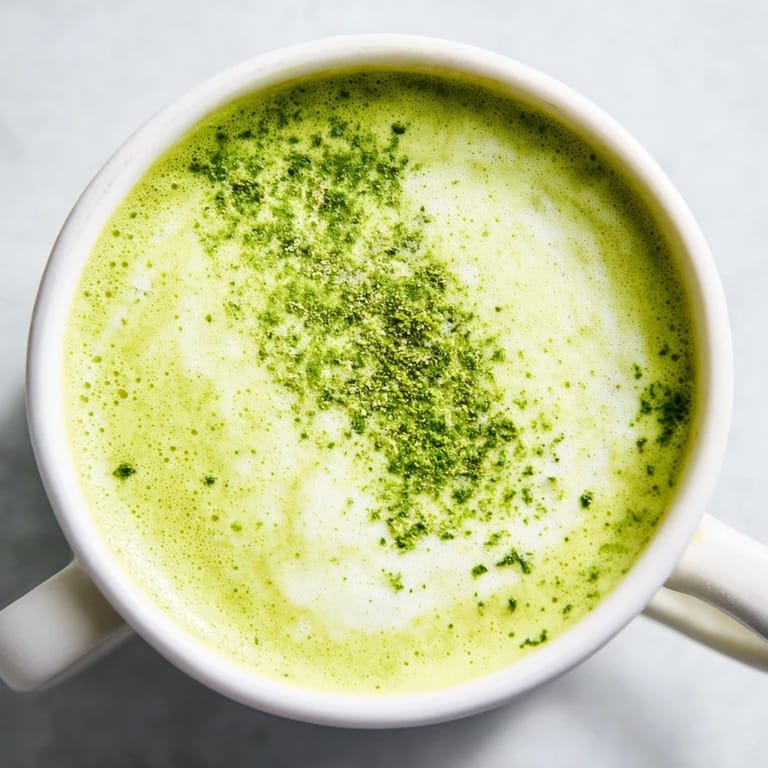
- Slowly pour the steamed milk over the matcha, using a spoon to hold back the foam until the last moment. That foam on top isn't just pretty—it's the final touch that makes it feel special.
 Pin
Pin There's something almost ceremonial about matcha lattes that regular coffee never quite captured for me. It slows you down, makes you present, even if it's just for the five minutes you're drinking it.
Getting the Right Consistency
The texture of a matcha latte is everything—it should be silky and slightly thick, never watery or gritty. When you whisk it properly, the matcha dissolves completely and creates a fine foam that clings to your lips. I learned this the hard way after my first attempt separated into layers that looked nothing like what I'd ordered at the café. Now I always whisk longer than feels necessary, and it's made all the difference in how satisfying each sip feels.
Choosing Your Milk
Each milk brings its own personality to matcha. Dairy milk creates the creamiest body and froths into the most luxurious foam, while oat milk adds an unexpected creaminess that feels almost buttery. Almond milk stays light and lets the matcha flavor shine, and soy milk—often overlooked—actually froths beautifully if you heat it hot enough. I've made this latte with every type of milk imaginable, usually depending on what's in my fridge, and I genuinely don't have a favorite anymore because they're all rewarding in different ways.
- Oat milk froths best without a frother; just heat it and pour slowly.
- Almond milk pairs beautifully with a touch of maple syrup for subtle sweetness.
- Whatever milk you choose, don't skip the heating step—cold milk separates from the matcha.
Serving it Hot or Iced
On warmer days, I sometimes let the latte cool slightly and pour it over ice, which transforms it into something refreshing without losing any of its charm. The ritual stays the same—the whisking, the care, the moment of watching it come together—but the experience becomes bright and summery instead of cozy. I've found that iced matcha actually benefits from a touch more sweetener since cold drinks taste less sweet to our palates, and you might want to add a splash extra milk to account for the melting ice.
 Pin
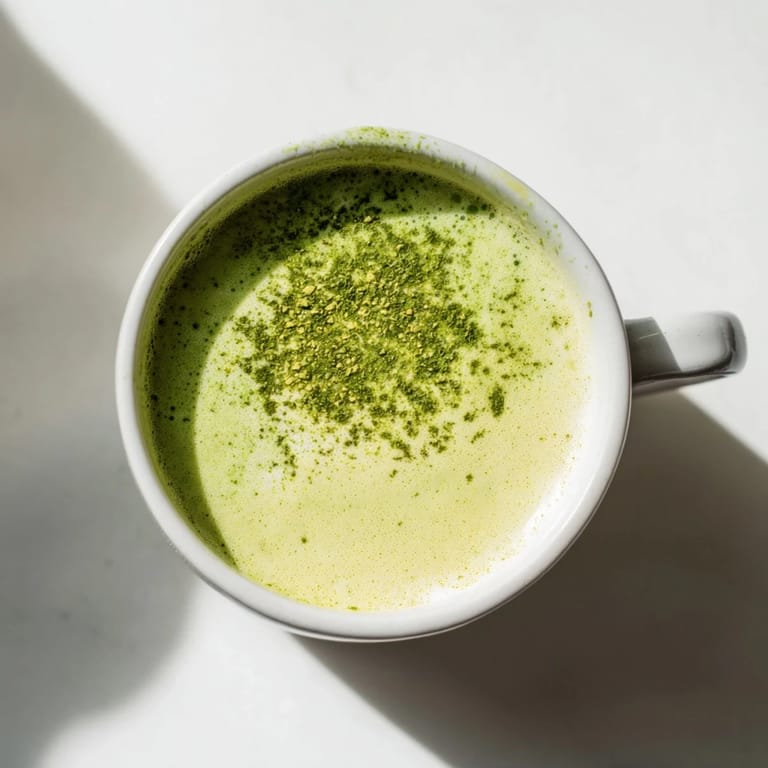
Pin Matcha lattes have become my morning anchor, the moment I slow down before the day accelerates. There's real magic in something so simple.
Recipe FAQ
- → What type of milk works best with matcha?
Both dairy and plant-based milks, such as almond, oat, or soy, create a smooth and creamy texture when steamed or frothed.
- → How should matcha powder be prepared for the drink?
Sift the matcha powder to avoid lumps, then whisk briskly with hot water in a zigzag motion until frothy and dissolved.
- → Can this drink be served cold?
Yes, the latte can be enjoyed iced by pouring the matcha mixture over ice and adding cold milk.
- → Is it necessary to use a milk frother for the best results?
Steaming milk in a saucepan until hot and slightly frothy works well, but a milk frother can simplify creating a creamy foam.
- → How can I adjust the strength of the matcha flavor?
Increase or decrease the amount of matcha powder used to make the drink stronger or milder according to taste.
- → Are there recommended sweeteners to complement the flavor?
Natural sweeteners like honey or maple syrup enhance the drink’s flavor, but they are optional based on preference.