 Pin
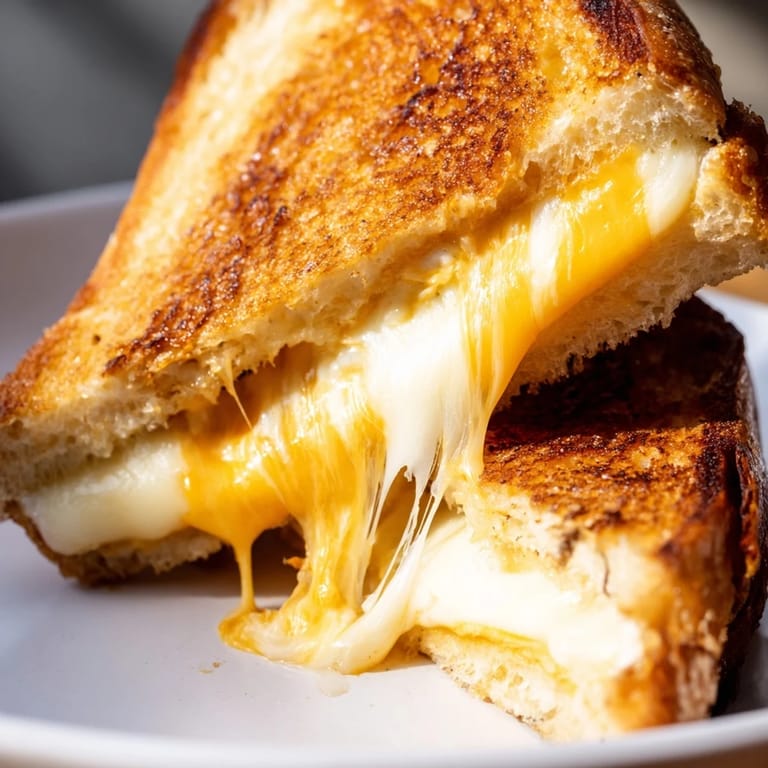
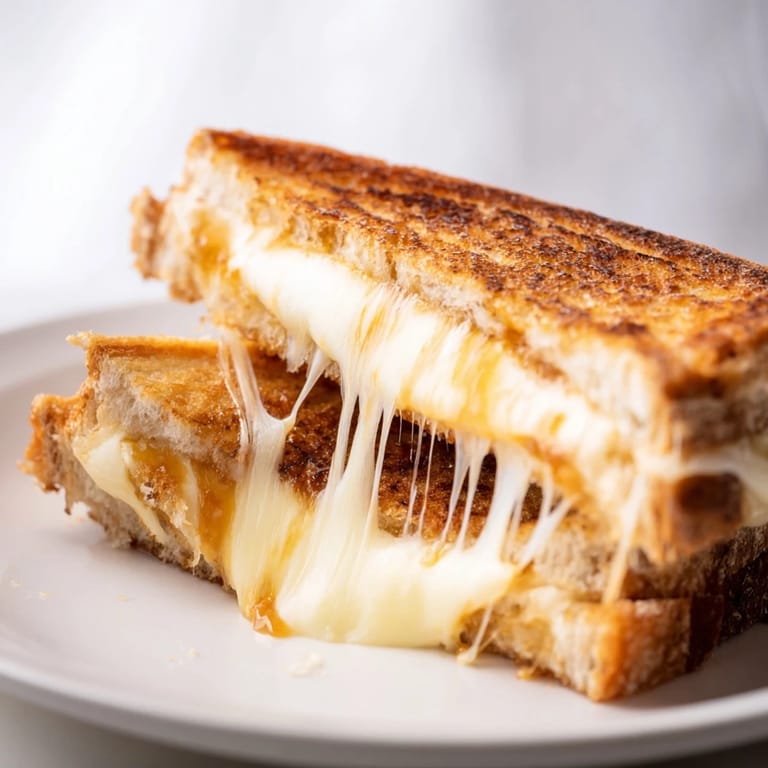
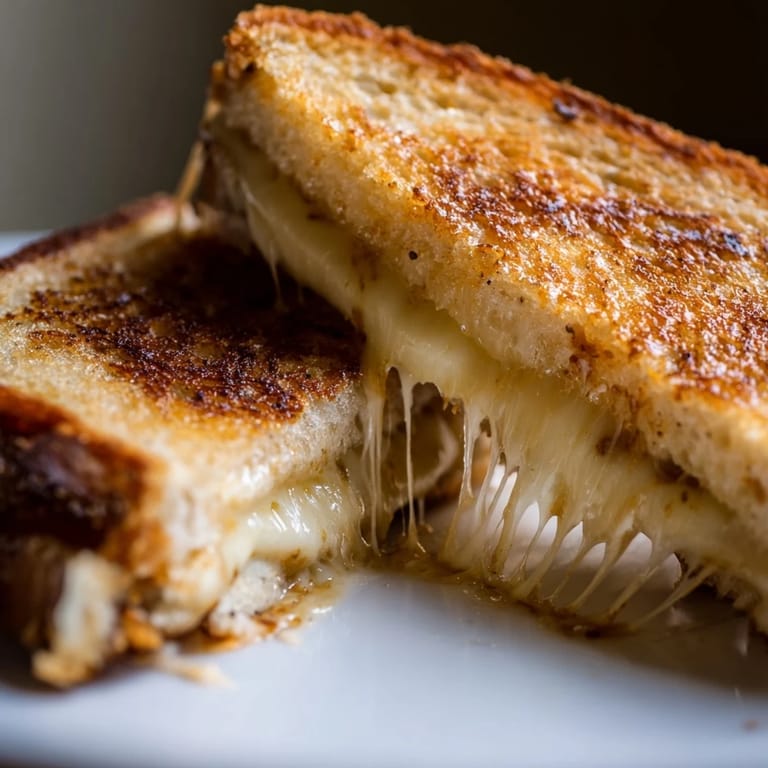
Pin My roommate used to make fun of me for never getting grilled cheese right until one rainy Tuesday I finally cracked it. The secret wasn't patience or fancy technique, it was just using three cheeses instead of one and actually letting the butter soften before smearing it on. That first bite, with the cheese pulling in long strings and the bread crackling under my teeth, felt like a small victory. I texted her a photo and she came over with tomato soup twenty minutes later. We sat on the couch in sweatpants and declared it the best dinner we'd had all month.
I made this for my nephew once when he was having a rough day at school, and he ate both halves without saying a word. When he finally looked up, he just nodded and said it was better than the diner version. That's when I knew I'd nailed it. There's something about a sandwich this simple that cuts through everything else. It doesn't need garnish or a side of anything fancy, it just needs to be warm, gooey, and exactly what you wanted without knowing it.
Ingredients
- Country-style or sourdough bread: You want something sturdy enough to hold all that cheese without getting soggy, and sourdough adds a slight tang that plays beautifully with the richness.
- Mozzarella cheese: This is your melt champion, the one that gives you those Instagram-worthy cheese pulls and keeps everything gooey.
- Sharp cheddar cheese: It brings the flavor punch and keeps the sandwich from tasting one-note, adding a little bite that wakes up your taste buds.
- Provolone cheese: Smooth and mild, it bridges the mozzarella and cheddar and adds a creaminess that makes every bite feel luxurious.
- Unsalted butter: Soften it first or you'll tear the bread trying to spread it, and it creates that golden, crispy shell that makes the whole thing worth it.
- Dijon mustard: Optional, but a thin swipe inside adds a subtle sharpness that cuts through the richness without overpowering anything.
- Black pepper: Just a pinch adds a gentle warmth and makes the cheese taste more complex than it has any right to.
Tired of Takeout? 🥡
Get 10 meals you can make faster than delivery arrives. Seriously.
One email. No spam. Unsubscribe anytime.
Instructions
- Prep your bread:
- Lay out all four slices on your counter and, if you're using it, spread a whisper-thin layer of Dijon on two slices. Don't go heavy or it'll overpower the cheese.
- Mix the cheeses:
- Toss the mozzarella, cheddar, and provolone together in a small bowl so every bite gets all three flavors. It sounds fussy, but it makes a difference.
- Build the sandwiches:
- Pile the cheese mixture onto the two mustard slices, dividing it evenly, then add a pinch of pepper if you want. Top with the remaining bread slices and press down gently.
- Butter the outside:
- Spread softened butter on the top and bottom of each sandwich in a thin, even layer. This is what turns golden and crispy, so don't skip any spots.
- Heat your skillet:
- Set a large nonstick skillet or griddle over medium-low heat and let it warm up for a minute or two. Too hot and the bread burns before the cheese melts.
- Cook low and slow:
- Place the sandwiches in the pan and cook for 3 to 4 minutes per side, pressing gently with a spatula. You'll know it's ready when the bread is deep golden and the cheese is oozing at the edges.
- Rest and serve:
- Pull the sandwiches off the heat and let them sit for a minute so the cheese sets just enough not to slide out. Slice in half and serve while they're still steaming.
 Pin
Pin The first time I made this for a friend who'd had a terrible breakup, she cried a little and then laughed at herself for crying over a sandwich. But that's the thing about grilled cheese: it's never just a sandwich. It's comfort in its purest form, the kind of food that says everything's going to be okay without having to say anything at all. We didn't talk much that night, just ate and sat together, and somehow that was exactly enough.
How to Get the Perfect Crust
The secret to a shatteringly crisp crust is low, steady heat and a thin layer of fat on every inch of the bread. I used to crank the burner up thinking it would save time, but all I got was burnt toast and raw cheese. Medium-low gives the butter time to toast the bread slowly, creating that deep golden color and crunch that makes you want to eat the edges first. Some people swear by mayonnaise instead of butter for extra browning, and honestly, it works, but I like the flavor butter brings.
Cheese Combinations Worth Trying
Once you've nailed the three-cheese base, you can start playing around with swaps. I've done gruyere and fontina with a little parmesan for a fancy version, and pepper jack with cheddar and cream cheese for something with a kick. The rule I follow is one cheese for melt, one for flavor, and one for creaminess. It sounds scientific, but really it just means you won't end up with a greasy or rubbery mess.
Serving Suggestions and Add-Ins
This sandwich is perfect on its own, but it's even better with a bowl of tomato soup or a handful of crispy pickles on the side. I've tucked in thin slices of tomato and caramelized onions before, and both were incredible without making the sandwich soggy. If you're feeling fancy, a few fresh basil leaves inside add a pop of brightness that cuts through the richness.
- Serve with a hot bowl of tomato soup for dipping and the ultimate cozy meal.
- Add a handful of arugula on the side for a peppery contrast that balances the richness.
- Try a drizzle of hot honey on top right before serving for a sweet and savory twist that surprises everyone.
 Pin
Pin There's no wrong time to make a three-cheese grilled cheese, whether it's a quick lunch, a late-night craving, or the answer to a day that didn't go as planned. It's one of those recipes that asks almost nothing of you and gives back everything.
Recipe FAQ
- → What type of bread works best for this sandwich?
Country-style or sourdough bread are ideal choices as they provide a sturdy structure that won't fall apart and develops a satisfyingly crispy crust when buttered and grilled. These hearty breads also complement the richness of the three-cheese blend.
- → How do I prevent the cheese from leaking out?
Distribute the cheese mixture evenly across the bread and avoid overfilling. Keep the heat at medium-low to allow the cheese to melt gradually without the temperature becoming so high that it oozes out quickly. Pressing gently with a spatula helps contain the filling while promoting even cooking.
- → Can I use pre-shredded cheese instead of shredding my own?
Yes, pre-shredded cheese works well and saves preparation time. Just ensure the cheese is mixed well before assembling the sandwich. Pre-shredded varieties may melt slightly differently, so monitor the cooking time and adjust as needed for optimal melting.
- → What's the purpose of spreading Dijon mustard on the bread?
Dijon mustard adds a subtle tangy flavor that complements the richness of the melted cheeses without overpowering them. It's optional but recommended for those who enjoy added depth and complexity in their sandwich. The mustard should be spread thinly to avoid dominating the other flavors.
- → How should I serve this sandwich?
Serve immediately after cooking while the cheese is still warm and gooey. Slicing diagonally creates an appealing presentation. Classic pairings include tomato soup, pickles, or a simple side salad. You can also add sliced tomatoes or caramelized onions between the cheese layers for extra flavor and texture.
- → Can I make this sandwich ahead of time?
It's best enjoyed fresh off the griddle while the cheese is melted and the bread is warm and crispy. However, you can assemble the sandwich with ingredients ahead of time and cook it when ready. Storing cooked grilled cheese may result in less optimal texture, though it can be reheated gently in a skillet or oven.