 Pin
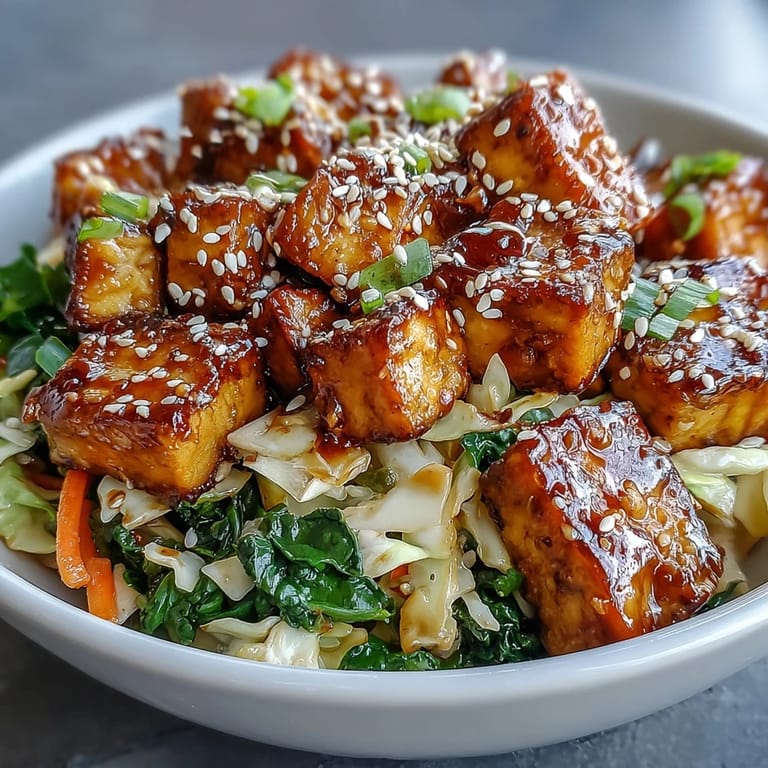
Pin My weeknight dinners used to feel stuck in a loop until I tossed everything I loved about egg rolls into a bowl and skipped the wrapper entirely. The tofu gets crispy, the cabbage stays sweet and tender, and the sauce pulls it all together in under half an hour. It's become my go-to when I want something that tastes indulgent but leaves me feeling energized. I make it on repeat now, and every time, it reminds me how satisfying simple can be. No frying, no fuss, just a skillet and bold flavor.
I first made this for a friend who swore she didn't like tofu, and she went back for seconds without realizing what she was eating. We sat at my kitchen counter with bowls piled high, sesame seeds scattered everywhere, and she kept asking what made it taste so good. I didn't have a fancy answer, just good timing and a hot pan. That night, I realized this dish had a quiet kind of magic. It wins people over without trying too hard.
Ingredients
- Extra-firm tofu (400 g): Pressing it well is everything; the drier it is, the crispier it gets, and tossing it in cornstarch creates that golden, slightly crunchy exterior.
- Cornstarch (1 tbsp): This is the secret to crispy tofu without a fryer, coating each cube just enough to give it structure and bite.
- Neutral oil (1 tbsp): Sunflower or canola works best here because it doesn't compete with the sesame oil that comes later.
- Green cabbage (2 cups): Thinly sliced cabbage softens quickly but keeps a little snap, adding sweetness and body to every bite.
- Kale (1 cup): Stemmed and sliced thin, it wilts down but holds its earthy flavor, balancing the lighter greens.
- Spinach (1 cup): It collapses almost instantly in the pan, adding silky texture and a pop of color.
- Carrot (1 large): Julienned carrot brings natural sweetness and a satisfying crunch that contrasts with the softer vegetables.
- Green onions (3): Sliced thin, they add a mild sharpness and brighten the whole dish, especially as a garnish.
- Garlic (2 cloves): Minced garlic hits the hot pan and fills the kitchen with that unmistakable savory aroma.
- Fresh ginger (1 tbsp): Grated ginger adds warmth and a subtle spice that makes the dish feel alive.
- Low-sodium soy sauce or tamari (3 tbsp): This is the backbone of the sauce, salty and rich, and tamari keeps it gluten-free without losing depth.
- Rice vinegar (1 tbsp): A splash of acidity cuts through the richness and keeps everything balanced.
- Toasted sesame oil (1 tbsp): This is where the magic happens; its nutty aroma ties the whole bowl together.
- Maple syrup or agave (1 tsp): Just a touch of sweetness rounds out the sauce and tames the saltiness.
- White pepper (1/2 tsp): It adds a gentle heat and a slightly floral note that's different from black pepper.
- Sesame seeds (1 tbsp): Toasted sesame seeds add crunch and a final layer of nuttiness.
- Chili flakes (optional): A pinch of heat for anyone who likes a little kick at the end.
Tired of Takeout? 🥡
Get 10 meals you can make faster than delivery arrives. Seriously.
One email. No spam. Unsubscribe anytime.
Instructions
- Prep the Tofu:
- Pat the tofu dry with paper towels or press it for at least 10 minutes to remove excess moisture, then cut it into small cubes. Toss the cubes in cornstarch until each piece is lightly coated, which will help them crisp up beautifully in the pan.
- Pan-Fry the Tofu:
- Heat the neutral oil in a large skillet or wok over medium-high heat, then add the tofu in a single layer. Let it cook undisturbed for a few minutes on each side until golden and crispy, about 6 to 8 minutes total, then remove and set aside.
- Sauté the Aromatics:
- In the same pan, add the garlic, ginger, and green onions, stirring constantly for about a minute until the kitchen smells incredible. Don't let the garlic burn; it should just become fragrant and soft.
- Cook the Vegetables:
- Toss in the cabbage, kale, and carrot, stirring frequently for 3 to 4 minutes until they soften but still have a bit of snap. The vegetables should be tender but vibrant, not limp or dull.
- Wilt the Spinach:
- Add the spinach and cook for just a minute, stirring gently until it collapses and blends into the mix. It happens fast, so keep an eye on it.
- Make the Sauce:
- In a small bowl, whisk together the soy sauce, rice vinegar, sesame oil, maple syrup, and white pepper until smooth. The sauce should be well combined and ready to coat everything evenly.
- Bring It Together:
- Return the crispy tofu to the pan and pour the sauce over everything, tossing gently for about 2 minutes until every piece is coated and heated through. The tofu should soak up the sauce while keeping its crispy edges.
- Serve and Garnish:
- Plate the bowls while everything is hot, then sprinkle sesame seeds, extra green onions, and chili flakes on top. Serve immediately for the best texture and flavor.
 Pin
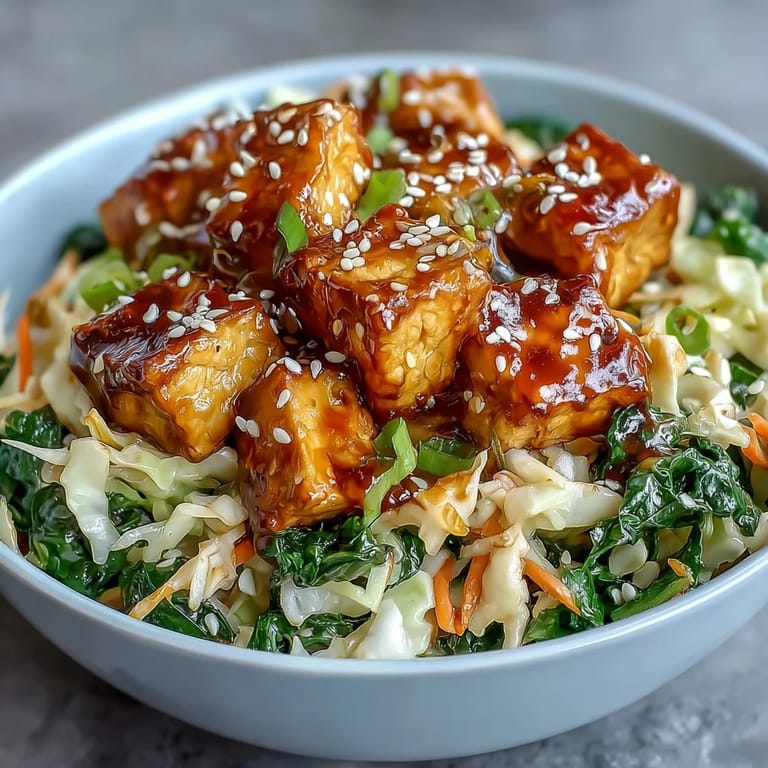
Pin One Sunday afternoon, I made a double batch of this and portioned it into containers for the week ahead. By Wednesday, I was reheating a bowl at my desk, and the smell had two coworkers asking for the recipe before I even took a bite. It's one of those dishes that travels well, tastes even better the next day, and somehow makes meal prep feel less like a chore. That week, it became clear this wasn't just dinner; it was a little weekly ritual I actually looked forward to.
Making It Your Own
This bowl is endlessly flexible, and I've learned to treat it like a template rather than a strict recipe. Swap the kale for bok choy or napa cabbage if that's what you have, or toss in snap peas or bell peppers for extra crunch. If you want it heartier, serve it over brown rice, quinoa, or rice noodles. I've even stirred in leftover edamame or added a fried egg on top when I wasn't keeping it strictly vegan, and it worked every time.
Storage and Reheating
Store leftovers in an airtight container in the fridge for up to four days, and don't worry, the tofu holds up surprisingly well. When reheating, I use a skillet over medium heat instead of the microwave to bring back some of that crispy texture. If the vegetables seem a little dry, add a splash of water or extra soy sauce while warming it up. The flavors deepen overnight, so day-two bowls often taste even better than the first.
Serving Suggestions
This bowl stands on its own, but a few small additions can make it feel like a full meal. I love serving it with a side of miso soup or a quick cucumber salad dressed in rice vinegar. For texture contrast, sprinkle crushed peanuts or crispy wonton strips on top, though skip the wontons if you're keeping it gluten-free. A wedge of lime on the side adds a bright, citrusy finish that cuts through the richness.
- Top with sriracha or chili crisp for extra heat and a garlicky punch.
- Serve alongside steamed jasmine rice or cauliflower rice for a lighter base.
- Garnish with fresh cilantro or Thai basil if you want an herbal, aromatic lift.
 Pin
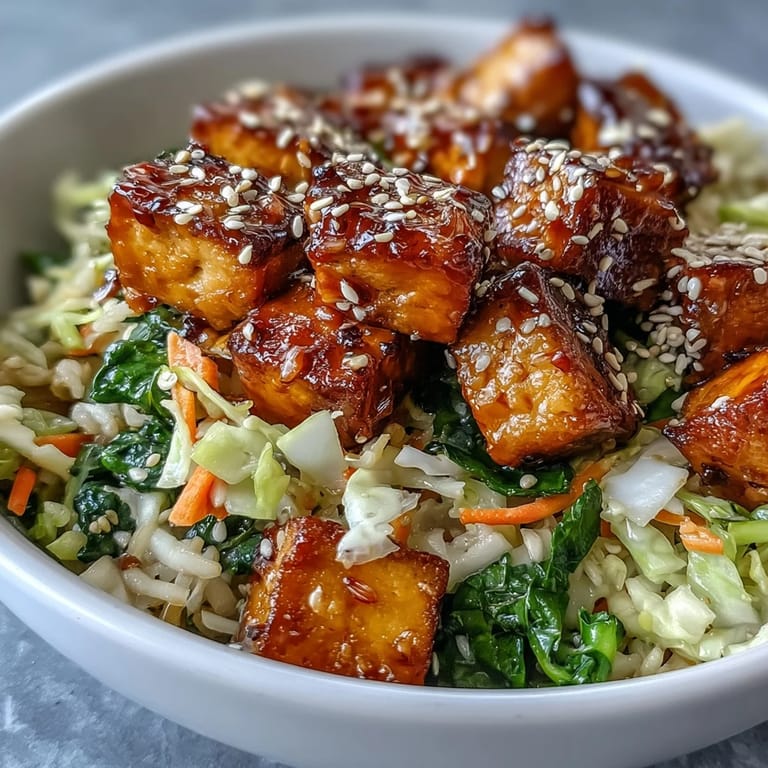
Pin This bowl has become one of those recipes I don't even need to think about anymore, and that's exactly why I keep coming back to it. It's quick, it's nourishing, and it reminds me that the best meals don't have to be complicated to feel special.
Recipe FAQ
- → What vegetables work best in this bowl?
Green cabbage forms the crunchy base, complemented by nutrient-dense kale and quick-wilting spinach. Julienned carrots add sweetness and vibrant color. You can easily substitute bok choy, napa cabbage, or bell peppers based on what's in season or your personal preference.
- → How do I get crispy tofu?
Pressing extra-firm tofu thoroughly removes excess moisture, creating a better texture. Tossing the cubes in cornstarch before pan-frying creates a light coating that crisps up beautifully. Cook over medium-high heat in a single layer, turning occasionally until golden on all sides—about 6-8 minutes.
- → Is this dish gluten-free?
Yes, simply substitute tamari for the soy sauce. Tamari provides the same savory umami flavor without gluten. All other ingredients—cornstarch, vegetables, tofu, and sesame oil—are naturally gluten-free. Always check labels to verify your specific brands.
- → Can I make this ahead?
The components store well for 3-4 days in the refrigerator. Keep the crispy tofu and vegetables separate from the sauce for best texture. Reheat in a skillet over medium heat, adding a splash of water if needed. The flavors actually meld and improve overnight, making it excellent for meal prep.
- → What can I serve with this bowl?
Brown rice, quinoa, or rice noodles make this more substantial and soak up the flavorful sauce. For low-carb options, serve over cauliflower rice or enjoy on its own. Crushed peanuts, crispy wonton strips, or extra chili flakes add texture and heat if desired.