 Pin
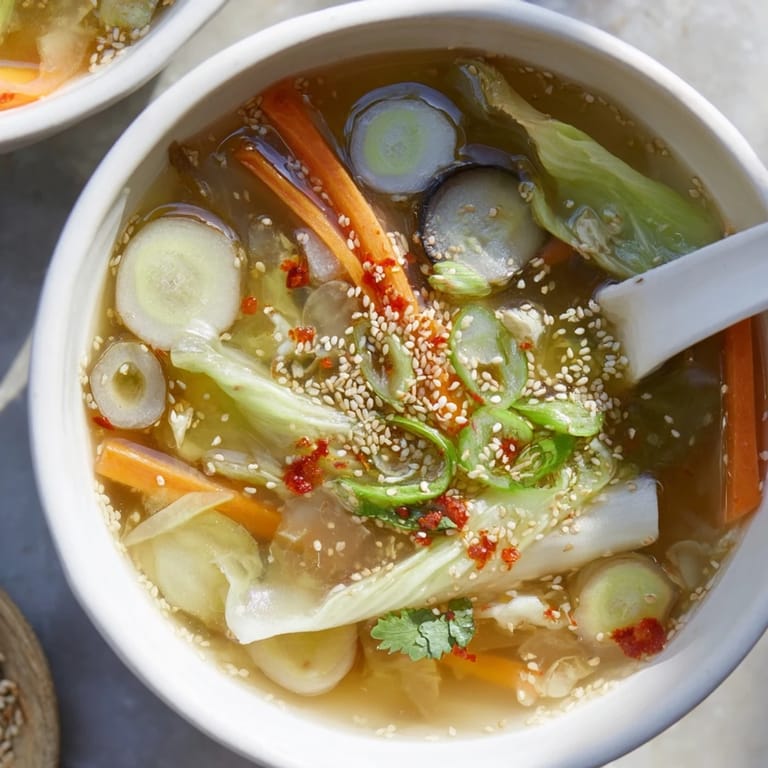
Pin The first time I made this soup, I was recovering from a nasty winter cold and too tired to attempt anything complicated. A friend dropped off some miso paste and fresh ginger, insisting I just needed to simmer them together. That afternoon, leaning over the steaming pot and breathing in that ginger-infused vapor, I realized comfort food doesnt need hours of work to feel healing.
Last January, when my sister came over feeling completely drained by work deadlines, I made a double batch of this soup. We sat at the kitchen table in our wool socks, steam rising from our bowls, and she actually slowed down for the first time all week. Sometimes the simplest food creates the most space for real conversation.
Ingredients
- Water or vegetable broth: Broth adds depth, but water works perfectly since the miso and ginger provide plenty of flavor on their own
- Fresh ginger: Slice it thinly rather than mincing so you can easily fish out the pieces before serving, unless you enjoy biting into spicy ginger bits
- Garlic: Thin slices release flavor more gently than crushed cloves, creating a mellow backdrop rather than an aggressive punch
- White or yellow miso paste: White miso is sweeter and lighter, while yellow brings a slightly earthier note, but both work beautifully here
- Napa cabbage: This wilts beautifully in hot broth and adds a subtle sweetness that balances the salty miso
- Carrots: Julienned carrots cook quickly and add a lovely crunch and color contrast to the soft vegetables
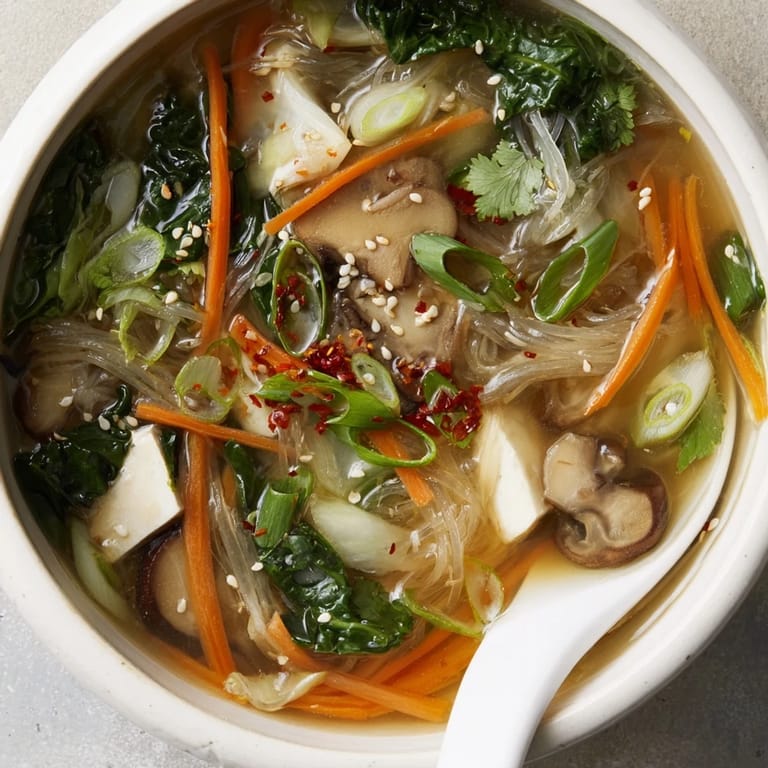
- Shiitake mushrooms: These bring a meaty umami quality that makes the soup feel substantial even without meat
- Scallions: Add these at the end so they stay bright and crisp, providing a fresh bite against the warm broth
- Toasted sesame seeds: These add a nutty richness and subtle crunch that makes each spoonful feel special
- Fresh herbs: Cilantro or parsley might seem optional, but they add a bright, fresh finish that cuts through the rich miso
Tired of Takeout? 🥡
Get 10 meals you can make faster than delivery arrives. Seriously.
One email. No spam. Unsubscribe anytime.
Instructions
- Build your flavorful base:
- Bring your water or broth to a gentle simmer, then add the sliced ginger and garlic. Let them steep for about 10 minutes, until the kitchen starts smelling warm and inviting.
- Add the vegetables:
- Toss in the cabbage, carrots, and shiitake mushrooms. Simmer for another 5 to 7 minutes until the vegetables are tender but still retain some bite.
- Temper the miso:
- Remove the pot from heat completely. Whisk the miso paste with a ladle of hot broth in a small bowl until smooth, then stir it back into the soup.
- Finish and serve:
- Add tofu or noodles if using, letting them warm through for 2 minutes. Ladle into bowls and top with scallions, sesame seeds, herbs, and chili oil.
 Pin
Pin This recipe has become my go-to when friends need feeding but I dont have the energy for elaborate cooking. Theres something about the ritual of stirring miso into hot broth, the way the kitchen fills with steam and comfort, that makes even a gray Tuesday feel like a small occasion.
Building Depth Without Meat
Vegetarian soups can sometimes feel lacking in body, but miso is a secret weapon for creating richness. The fermented paste brings a savoriness that mimics the depth usually achieved by bones or meat. Ive started keeping a small tub of white miso in my refrigerator specifically for these quick weeknight soups when I want something nourishing but not heavy.
The Art of Garnishes
What elevates this soup from simple broth to something youd serve guests is really in the finishing touches. The contrast of warm soup against cool, crisp scallions and nutty sesame seeds creates layers of texture in every spoonful. Ive learned that spending five minutes on thoughtful garnishes transforms the entire eating experience.
Making It Your Own
Once you have the basic technique down, this soup template adapts beautifully to whatever you have on hand. The miso-ginger broth is forgiving and compatible with most vegetables, making it perfect for using up odds and ends.
- Swap in bok choy or baby spinach when napa cabbage isnt available
- Add a soft-boiled egg for extra protein if tofu isnt your thing
- Finish with a squeeze of lime for brightness if you enjoy citrus notes
 Pin
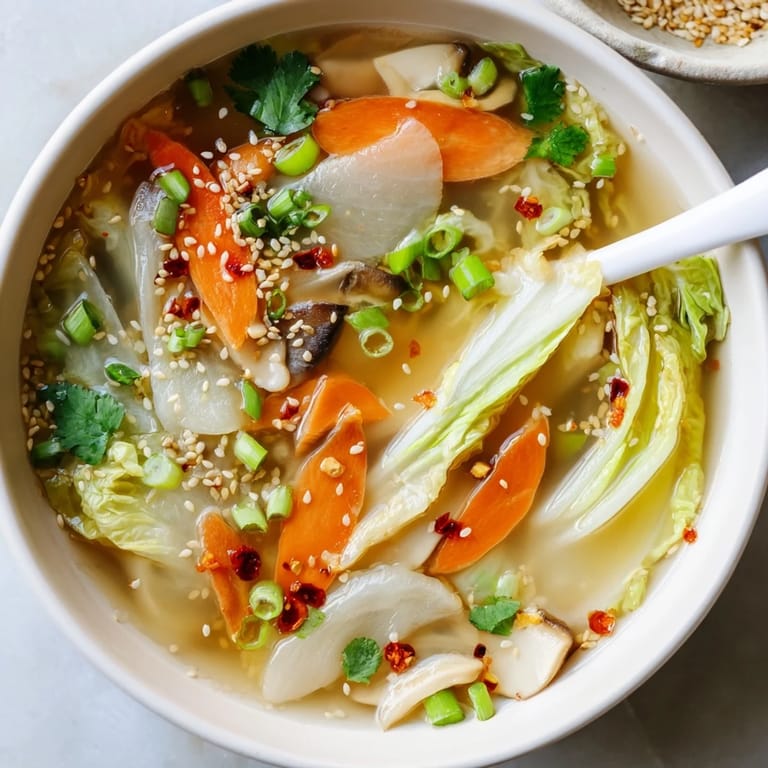
Pin Theres a quiet magic in a bowl of soup that knows exactly what you need. This recipe has seen me through sick days, tired evenings, and moments when only something warm and simple would do.
Recipe FAQ
- → What makes this broth restorative?
The combination of fresh ginger provides warming properties while miso delivers beneficial probiotics and essential minerals. The vegetable base adds vitamins and the gentle preparation preserves nutrients.
- → Can I prepare this in advance?
The vegetable base can be cooked ahead and refrigerated for 2-3 days. Add miso just before serving to maintain probiotic benefits and reheat gently without boiling.
- → What vegetables work best in this broth?
Napa cabbage, carrots, and shiitake mushrooms are traditional choices. Bok choy, spinach, daikon radish, or enoki mushrooms also complement the ginger-miso profile beautifully.
- → Why add miso off the heat?
High temperatures destroy beneficial bacteria in miso paste. Removing the pot from heat before whisking in miso preserves probiotics and prevents the flavor from becoming bitter or overly salty.
- → How can I add more protein?
Silken tofu cubes absorb the savory broth while adding plant-based protein. Cooked soba noodles, edamame, or a soft-boiled egg also make satisfying additions.
- → What miso variety should I use?
White or yellow miso offers a milder, slightly sweet flavor that complements ginger without overpowering vegetables. Red miso works if you prefer a stronger, more intense taste.