 Pin
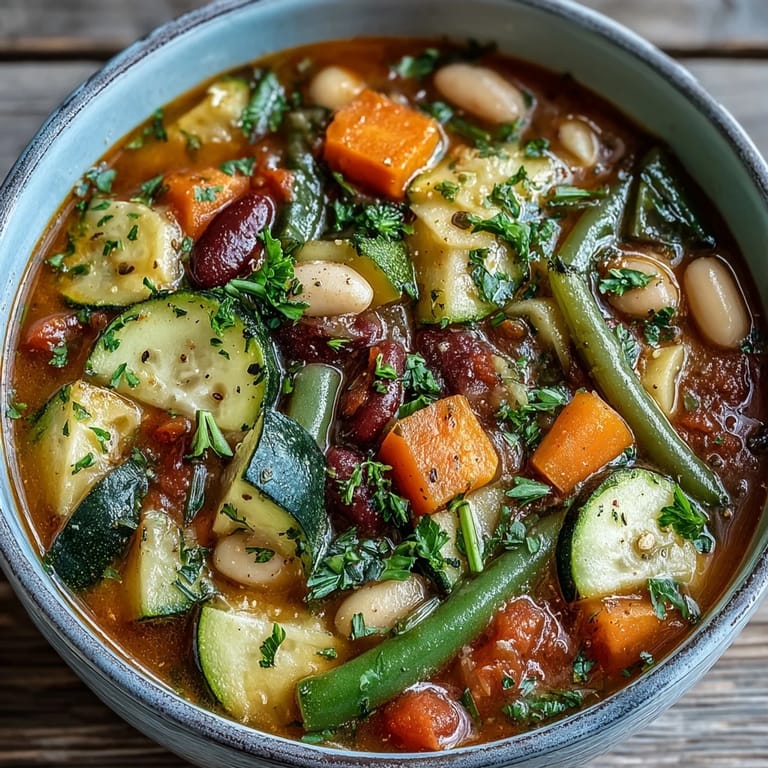
Pin My neighbor Marco once brought over a pot of minestrone on a gray afternoon, and I watched steam rise from the kitchen for hours afterward. The soup was so packed with vegetables and beans that you could barely see the broth underneath, and somehow that abundance felt like the whole point. I've been chasing that feeling ever since, learning that minestrone isn't really a recipe to follow precisely but rather a philosophy of throwing together whatever makes you happy. This version captures that spirit while keeping things simple enough that you'll actually make it on a Tuesday night.
I made this for my daughter's school potluck last fall, and three parents asked for the recipe before anyone had even finished eating. There's something about watching people break crusty bread into steaming bowls that makes you realize minestrone speaks a universal language. It wasn't fancy or complicated, just honest and filling, which somehow made it more impressive than anything requiring three fancy ingredients.
Ingredients
- Olive oil: Two tablespoons is your foundation, enough to build flavor without heaviness, and it lets the vegetables release their sweetness without sticking.
- Onion, celery, and carrots: This trinity is called soffritto in Italian kitchens, and it's where minestrone's soulfulness begins, so don't skip the sautéing step.
- Garlic: Mince it fine so it melts into the broth rather than sitting in chunks, and add it after the first vegetables so it doesn't burn.
- Zucchini and green beans: These stay slightly tender if you don't overwork them, keeping the soup bright rather than mushy.
- Baby spinach or kale: Stir this in at the very end so it wilts gently from the heat without turning dark and bitter.
- Diced tomatoes and tomato paste: Together they create depth and acidity that wakes up all the other flavors, so both matter.
- Vegetable broth: Use the good stuff because it's the canvas everything else paints on, and those six cups will simmer down beautifully.
- Small pasta: Ditalini or elbow pasta are traditional, but short shapes work best because they don't break apart in the soup.
- Cannellini or kidney beans: Rinse them well to remove excess starch, which keeps the broth clear and the texture clean.
- Dried oregano, basil, and thyme: These three dried herbs are more forgiving than fresh at this stage of cooking, layering in gradually as the soup simmers.
- Bay leaf: One leaf adds a subtle woodsy note that ties everything together, but remember to fish it out before serving.
- Salt, pepper, and fresh parsley: Season at the end so you control the salt level, and fresh parsley brightens the final bowl.
Tired of Takeout? 🥡
Get 10 meals you can make faster than delivery arrives. Seriously.
One email. No spam. Unsubscribe anytime.
Instructions
- Build your flavor base:
- Heat the olive oil in a large pot and add your diced onion, celery, and carrots all at once. Let them soften over medium heat for about five minutes, stirring occasionally so they cook evenly without browning. You'll notice the kitchen filling with a sweet aroma that signals these vegetables are becoming the backbone of your soup.
- Introduce the supporting players:
- Add minced garlic along with the zucchini and green beans, cooking for three to four minutes until everything softens slightly and the garlic loses its raw edge. This timing matters because you want the vegetables tender but still vibrant when you finish.
- Create the simmering broth:
- Stir in your diced tomatoes, tomato paste, vegetable broth, and all the dried herbs plus one bay leaf. Bring this mixture to a boil, which will take about five minutes, then reduce the heat and let it simmer gently for fifteen minutes. The tomato paste should dissolve completely, thickening the broth slightly and deepening its color.
- Add the pasta and beans:
- Stir in the pasta and drained beans together, allowing about ten minutes for the pasta to cook to al dente while the beans heat through. Taste a piece of pasta around the nine minute mark so you catch it at that perfect tender-but-still-toothsome moment.
- Finish with the greens:
- Add the spinach or kale and fresh parsley, stirring gently for two to three minutes until the greens wilt and fold into the soup. The heat from the broth will cook them without any effort on your part, leaving them tender and integrated.
- Final touches:
- Remove the bay leaf with a spoon, then taste and season generously with salt and freshly ground black pepper. Remember that the broth will concentrate slightly as the soup cools, so you can always add more salt later if needed.
 Pin
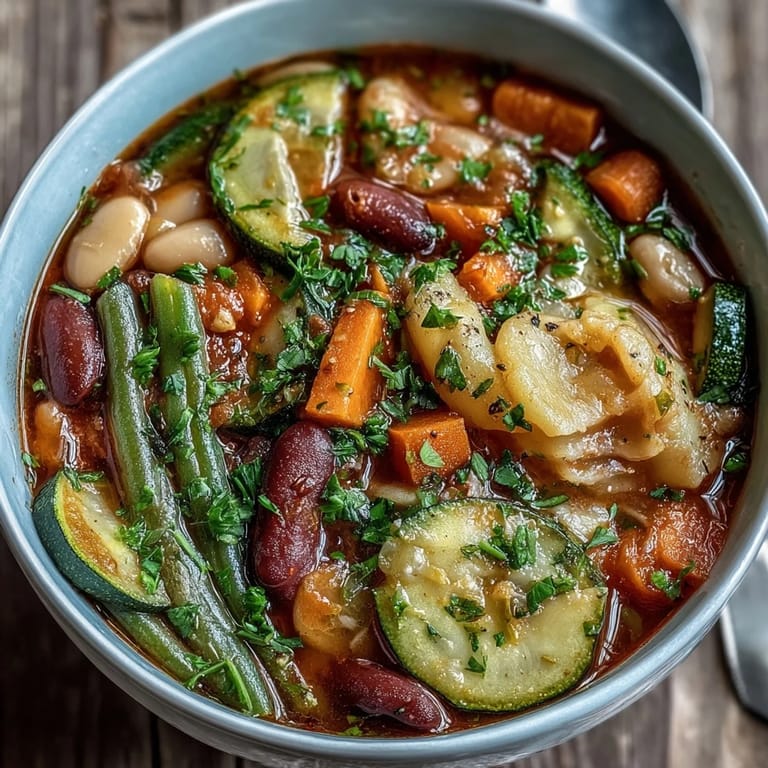
Pin There's a moment when you stir in those final handfuls of spinach and watch them wilt from the heat that minestrone stops being just another soup and becomes something you've made with your own hands. My kitchen felt warm and purposeful in that moment, the kind of purposeful that comes from feeding people something real.
Why Minestrone Transforms Leftovers
The beauty of minestrone lives in its flexibility and its generosity. I've made it with whatever vegetables were lingering in my crisper drawer: bell peppers, mushrooms, butternut squash, even leftover cooked broccoli stirred in at the end. The soup adapts without complaint, actually becoming better as flavors meld overnight in the refrigerator. It's the kind of dish that makes you feel resourceful rather than like you're scraping by.
Serving and Storage Wisdom
Minestrone keeps beautifully in the refrigerator for four to five days, which means you could make it Sunday and have lunch ready every day through Thursday. I like to store the soup without the pasta mixed in if I'm keeping it longer than a day, adding fresh cooked pasta to each serving so it doesn't turn to mush. The flavors actually deepen as the soup sits, making day-two bowls taste even richer and more developed than the first serving.
Making It Your Own
This recipe is generous enough to welcome your personal touch without falling apart. You might add a splash of balsamic vinegar for sweetness, a pinch of red pepper flakes for heat, or a handful of white beans instead of cannellini. The whole idea behind minestrone is that it belongs to whoever's cooking it, so treat this as a starting point rather than a command.
- Top each bowl with freshly grated Parmesan and a drizzle of good olive oil for richness and shine.
- Serve with crusty bread torn into the soup or alongside for soaking up every last drop of broth.
- Make a double batch and freeze portions in containers for future evenings when you need comfort without effort.
 Pin
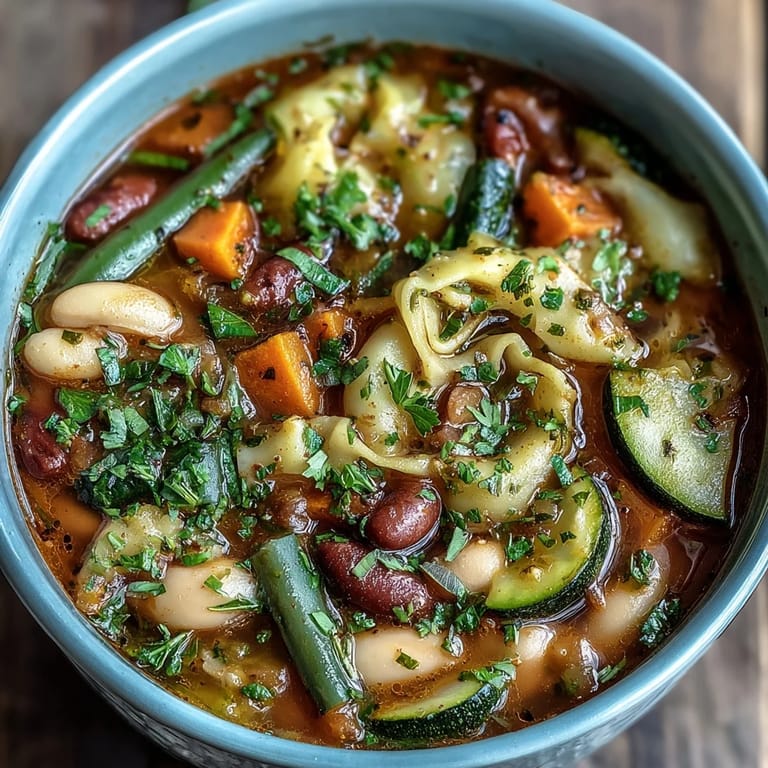
Pin Minestrone is the soup you make when you want to feel grounded and capable in your kitchen, when you want something that tastes homemade because it actually is. It's forgiving enough for a beginner and satisfying enough for someone who cooks every day.
Recipe FAQ
- → What vegetables go in minestrone?
Traditional minestrone includes onions, carrots, celery, zucchini, green beans, and leafy greens like spinach or kale. You can adapt based on seasonality and preference.
- → What type of pasta works best?
Small pasta shapes like ditalini, elbows, macaroni, or small shells hold up well in soups. They cook evenly and provide satisfying texture in every spoonful.
- → Can I make this gluten-free?
Absolutely. Substitute regular pasta with your favorite gluten-free variety and ensure your vegetable broth is certified gluten-free. The flavor remains unchanged.
- → How long does minestrone keep?
Store in an airtight container for up to 5 days in the refrigerator. The pasta absorbs more liquid over time, so you may need to add extra broth when reheating.
- → Can I freeze minestrone?
Yes, freeze for up to 3 months. For best results, slightly undercook the pasta before freezing, as it will continue cooking when reheated on the stovetop.
- → Is minestrone vegan?
This version is vegetarian and can be made vegan by omitting Parmesan garnish. Use a high-quality vegetable broth and the soup remains entirely plant-based.