 Pin
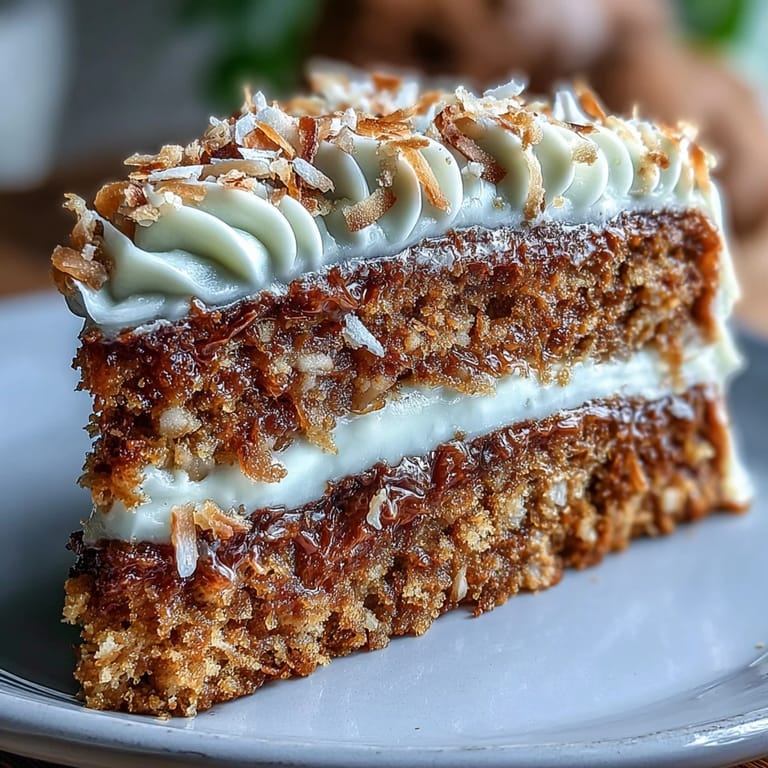
Pin A friend once handed me a small tin of hojicha powder at a farmer's market, insisting I'd understand why she loved roasted tea if I baked with it instead of just steeping it. That afternoon, my kitchen filled with this warm, almost nutty aroma that felt nothing like the green tea I'd expected—it was deeper, more comforting, like walking into a cozy café on a cool day. That experiment became this cake, a fragrant gluten-free sponge that's tender and moist without any of the heaviness you'd normally find in dairy-free baking. The creamy coconut frosting doesn't just balance the hojicha, it transforms the whole experience into something that feels both refined and genuinely nourishing.
I made this for a small gathering during autumn, when the light starts turning that golden color in the afternoon. Someone brought a thermos of matcha tea, and watching people pair a slice with their warm cup felt like I'd accidentally created the perfect moment—not because the cake was fancy, but because it belonged there, in that conversation, in that season.
Ingredients
- Gluten-free all-purpose flour blend (1 ½ cups): This is your structure without the gluten, so don't skip the blend aspect—single-grain alternatives can make the cake crumbly and sad.
- Almond flour (½ cup): It adds moisture and a subtle nuttiness that plays beautifully with the hojicha, plus keeps everything tender.
- Hojicha powder (2 tbsp): The star ingredient—get high-quality stuff if you can, because weak hojicha tastes thin and disappointing.
- Baking powder and baking soda (1 ½ tsp and ½ tsp): Together they create that light, airy crumb; separate them and you'll miss the chemistry.
- Salt (¼ tsp): A tiny amount that somehow makes everything taste more like itself.
- Almond milk and apple cider vinegar: This combination creates a vegan buttermilk that adds tang and helps the cake rise properly—don't skip the waiting period.
- Maple syrup (½ cup): Liquid sweetness that keeps the cake moist and has a subtle floral note that complements hojicha.
- Coconut oil (1/3 cup, melted): Use refined if you don't want coconut flavor to compete, though unrefined adds a whisper of something tropical.
- Vanilla extract (1 tsp): A grounding note that prevents the hojicha from feeling too austere.
- Full-fat coconut milk (1 can, refrigerated overnight): The magic ingredient for frosting—the coconut cream that rises to the top becomes your frosting base, and yes, overnight refrigeration matters.
Tired of Takeout? 🥡
Get 10 meals you can make faster than delivery arrives. Seriously.
One email. No spam. Unsubscribe anytime.
Instructions
- Set your stage:
- Preheat the oven to 350°F and prepare your pan with a greased bottom and parchment lining. This prevents sticking and makes your life easier when you're cooling.
- Create your vegan buttermilk:
- Combine almond milk and apple cider vinegar in a small bowl and let it sit for exactly 5 minutes—you'll watch it curdle slightly and become this cloudy, magical ingredient that mimics buttermilk's acidity.
- Build the dry mix:
- In a large bowl, whisk together the flours, hojicha powder, leavening agents, and salt until everything is evenly distributed. This is where the hojicha color becomes visual—you want no lumps of powder hiding in the flour.
- Combine the wet ingredients:
- In another bowl, mix your vegan buttermilk with maple syrup, melted coconut oil, and vanilla. The mixture should be smooth and smell warm.
- Bring them together gently:
- Pour the wet into the dry and stir just until combined—overmixing develops gluten and makes the cake dense, which defeats the entire purpose. Some flour streaks are actually fine here.
- Transfer and bake:
- Pour the batter into your prepared pan, smooth the top, and slide it into the oven. Bake for 30 to 35 minutes until a toothpick comes out mostly clean (a few crumbs are perfect).
- Cool with patience:
- Let the cake rest in the pan for 10 minutes—this gives it structure—then turn it out onto a wire rack to cool completely. Frosting warm cake is a path to frustration.
- Make the frosting:
- Open your chilled coconut milk can and scoop out only the solid coconut cream (save the liquid for smoothies or tea). Beat it with maple syrup and vanilla until fluffy and spreadable—this usually takes 2 to 3 minutes with an electric mixer.
- Finish with intention:
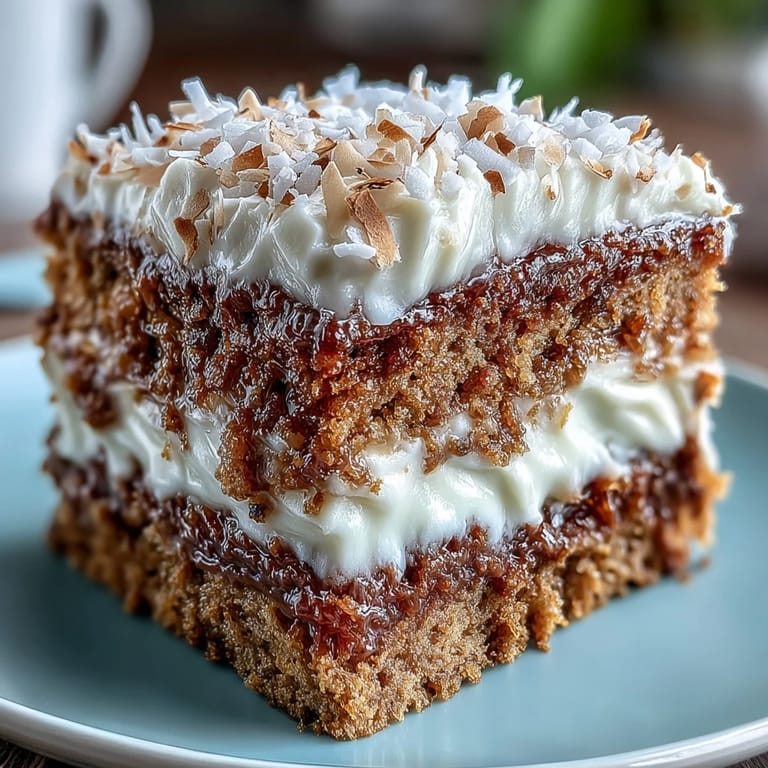
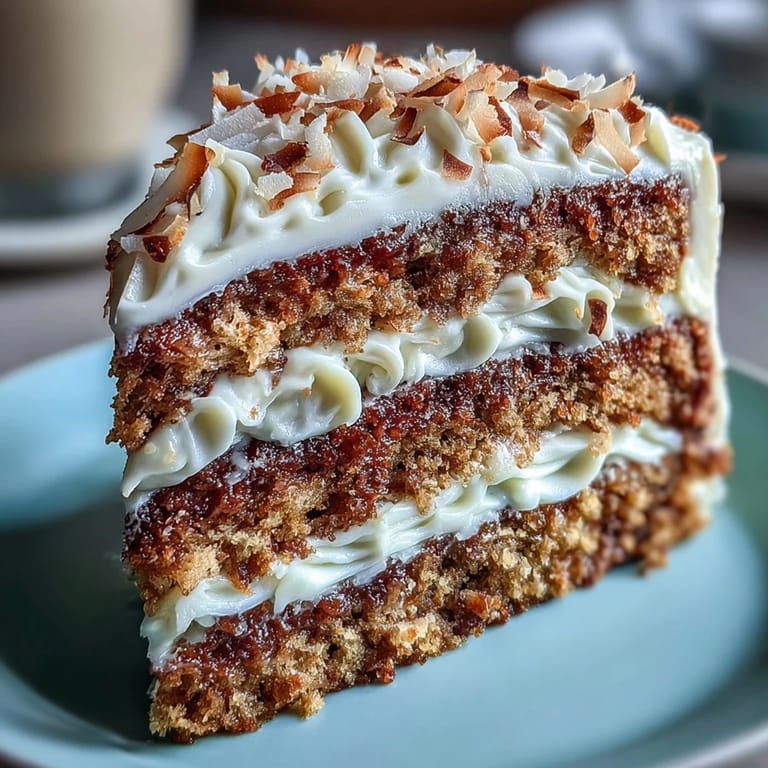
- Spread the frosting over the completely cooled cake, dust with hojicha powder, and scatter toasted coconut flakes if you're feeling generous. The hojicha dust tastes like autumn, and the coconut flakes catch light like little toasted jewels.
 Pin
Pin There's a moment, usually on the second day, when someone who tried this cake on the first day texts asking if you're selling them. That's when you know you've made something that quietly crossed from dessert into comfort—not because it's heavy or indulgent, but because it tastes like someone understood what makes a moment feel complete.
Why Hojicha Changes Everything
Hojicha is roasted green tea leaves, which sounds simple until you taste it and realize you've been missing this entire flavor profile your whole life. Most tea cakes rely on matcha's bright, almost vegetal intensity, but hojicha moves in the opposite direction—it's warm, toasted, slightly sweet on its own, like you're biting into something that's been slowly caramelized. In this cake, it doesn't compete with the coconut frosting or the almond flour; instead, it creates this three-part harmony where each component tastes more like itself because something else is drawing out its best notes. The first time I made this, I kept tasting it trying to figure out what made it feel so comforting, and then it clicked: hojicha tastes like safety.
The Gluten-Free Factor
Gluten-free baking used to feel like you were always apologizing for what the cake wasn't, but this recipe proves that's outdated thinking. By combining gluten-free flour blend with almond flour, you're not creating a substitute—you're creating something genuinely different and genuinely better in its own way. The almond flour brings moisture that keeps this cake from ever being dry or crumbly, which is honestly the biggest complaint about gluten-free cakes. The texture becomes almost silky, and the flavor has this subtle depth that pure wheat flour would actually muddy.
Storing, Serving, and Pairing
This cake keeps beautifully in the refrigerator for three days, and honestly, it tastes better on day two when the flavors have had time to settle into each other. Serve it cold or at room temperature depending on your mood—cold frosting feels luxurious on a warm day, while room temperature lets the hojicha flavor shine through more clearly. Pair it with matcha tea for the obvious choice, or try light sake for something unexpected that brings out the cake's refined side.
- If you want a two-layer cake, double the recipe and adjust the frosting—stack them with frosting between the layers.
- Hojicha powder tends to settle, so stir your tin before measuring to ensure you're getting enough flavor.
- Toasted coconut flakes make the difference between a lovely cake and one that feels intentional and finished.
 Pin
Pin This cake is proof that wholesome ingredients and refined flavors aren't opposing forces—they're just waiting to be introduced. Make it, watch someone's face when they realize there's no dairy or eggs or refined sugar, and then smile when they ask for another slice.
Recipe FAQ
- → What does hojicha taste like?
Hojicha offers earthy, roasted notes with caramel undertones. Unlike matcha's grassy bitterness, hojicha is mellow and comforting, similar to roasted coffee but without the acidity.
- → Can I substitute the almond flour?
Yes, you can use additional gluten-free flour blend or oat flour. The texture may be slightly denser without almond flour's natural moisture.
- → How do I get fluffy coconut frosting?
Refrigerate coconut milk overnight, then scoop only the solid cream. Whip with maple syrup until light and airy. Save the liquid for smoothies or other uses.
- → Is this cake freezer-friendly?
Yes! Wrap unfrosted cake layers tightly in plastic and freeze for up to 2 months. Thaw overnight before frosting. Frosted slices freeze well too.
- → Can I make this as cupcakes?
Absolutely! Fill lined muffin cups two-thirds full and bake for 18-22 minutes. Makes 12-14 cupcakes. Frost with a piping bag for elegant presentation.
- → What pairs well with hojicha cake?
Matcha tea creates a beautiful contrast. Light-bodied sake, unsweetened almond milk, or roasted green tea complement the earthy flavors perfectly.