 Pin
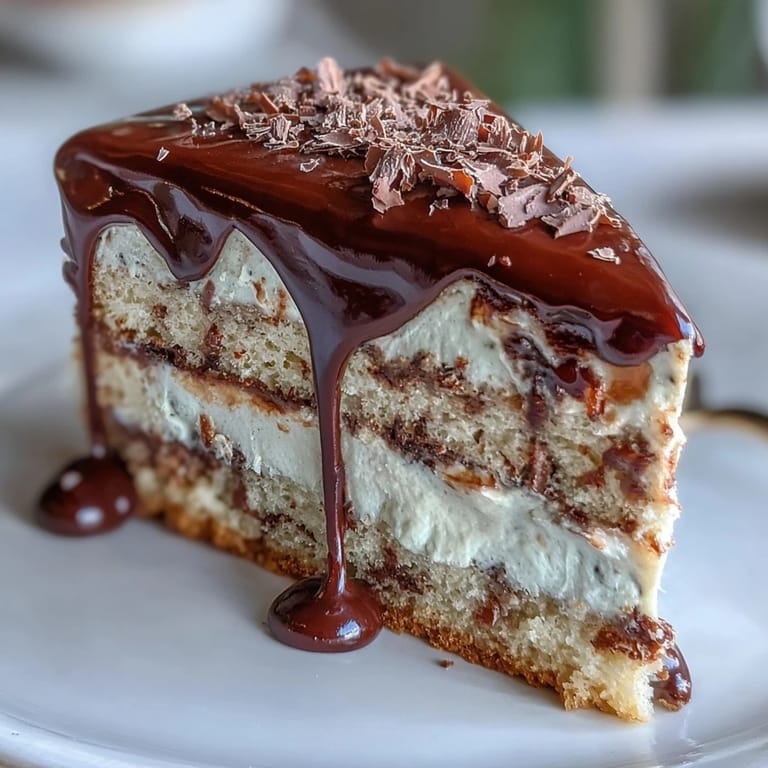
Pin A friend brought hojicha tea to a dinner party, and I spent the whole evening asking questions about its toasty, almost nutty flavor. By the next morning, I was standing in my kitchen wondering if that same warmth could live inside a cake. That curiosity led me here, layering delicate sponge with hojicha buttercream and dark chocolate ganache, creating something that tastes like a conversation between Japanese tradition and my own kitchen experiments.
I made this for my neighbor's birthday, and watching her eyes light up when she tasted the hojicha was worth every minute of careful folding and gentle stirring. She'd mentioned offhand that she loved Japanese pastries, and somehow this felt like the right way to celebrate that small conversation we'd had weeks before.
Ingredients
- Cake flour: Sifted twice because it sounds fussy but actually makes a difference in how tender your crumb becomes.
- Eggs and sugar: Room temperature and beaten until pale means air, which means the cake rises with grace rather than density.
- Milk and butter: The tempering step keeps your batter from breaking, something I learned after a few collapsed attempts.
- Hojicha loose leaf tea: Seek out actual hojicha if you can; tea bags work but loose leaf infuses deeper and smells like toasted autumn.
- Unsalted butter: Room temperature is non-negotiable here, or your buttercream will split and separate before your eyes.
- Powdered sugar: Sifted removes lumps that refuse to disappear even after beating.
- Dark chocolate (60–70% cocoa): This range keeps the ganache from being bitter while still tasting grown-up and serious.
- Heavy cream: The warmer it is, the faster it melts the chocolate into something glossy and pourable.
Tired of Takeout? 🥡
Get 10 meals you can make faster than delivery arrives. Seriously.
One email. No spam. Unsubscribe anytime.
Instructions
- Set your oven and pans:
- Preheat to 175°C while you prepare two 18 cm round pans lined with parchment paper. Cold pans and hot oven make a difference you'll feel in how evenly your cake rises.
- Beat eggs into clouds:
- Combine room-temperature eggs and granulated sugar, beating on high for 5–7 minutes until the mixture looks thick, pale, and almost doubles in volume. Listen for the mixer sound to change; it becomes lighter and faster once the eggs have trapped enough air.
- Fold in the flour gently:
- Add sifted cake flour and salt in three additions, folding with a spatula so you don't deflate all that trapped air. Each fold should be deliberate but not rushed, rotating your bowl as you go.
- Temper your batter:
- Whisk milk, melted butter, and vanilla together, then stir a few spoonfuls of batter into this mixture before folding everything back into the main bowl. This step keeps the temperature from shocking your batter and keeps it smooth.
- Bake with patience:
- Divide evenly between pans and bake for 20–22 minutes until a skewer comes out clean and the edges pull slightly from the sides. Every oven runs slightly different, so start checking at 18 minutes.
- Cool properly:
- Let cakes rest in their pans for 10 minutes so they set enough to turn out, then transfer to a wire rack. Patience here prevents cracks and falls.
- Brew your hojicha infusion:
- Heat milk until it steams but doesn't boil, add hojicha tea, and steep for 10 minutes while the kitchen fills with that toasted aroma. Strain and let it cool completely before using.
- Make the buttercream:
- Beat room-temperature butter with sifted powdered sugar and salt until fluffy and pale, then gradually add your cooled hojicha milk until the mixture turns smooth and creamy. If it looks broken or grainy at first, keep beating and it will come together.
- Create the ganache:
- Heat heavy cream until steaming, pour it over chopped chocolate, wait 2 minutes for the residual heat to work, then stir until glossy. Let it cool to room temperature so it's still pourable but sets properly on the cake.
- Assemble with care:
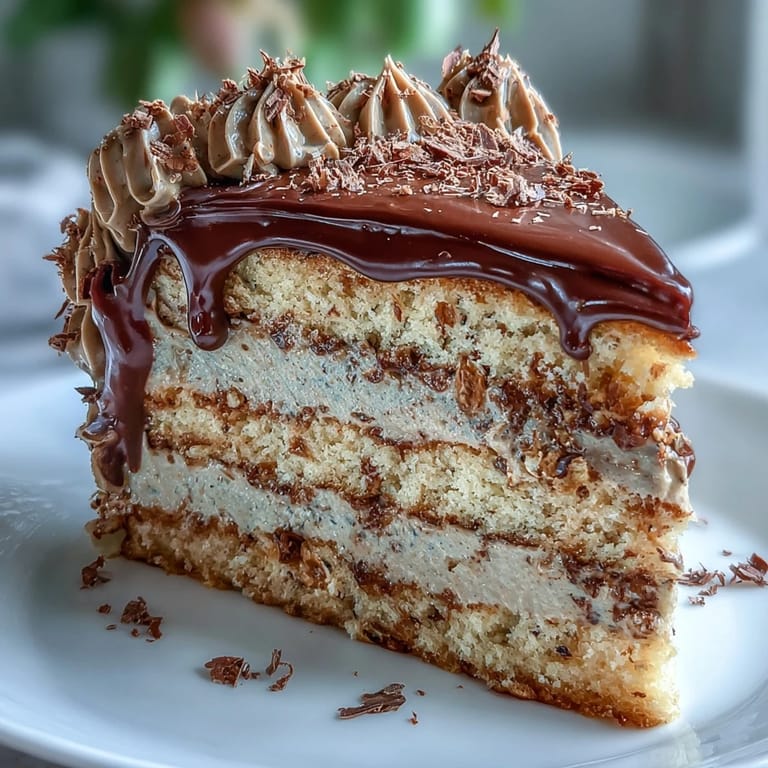
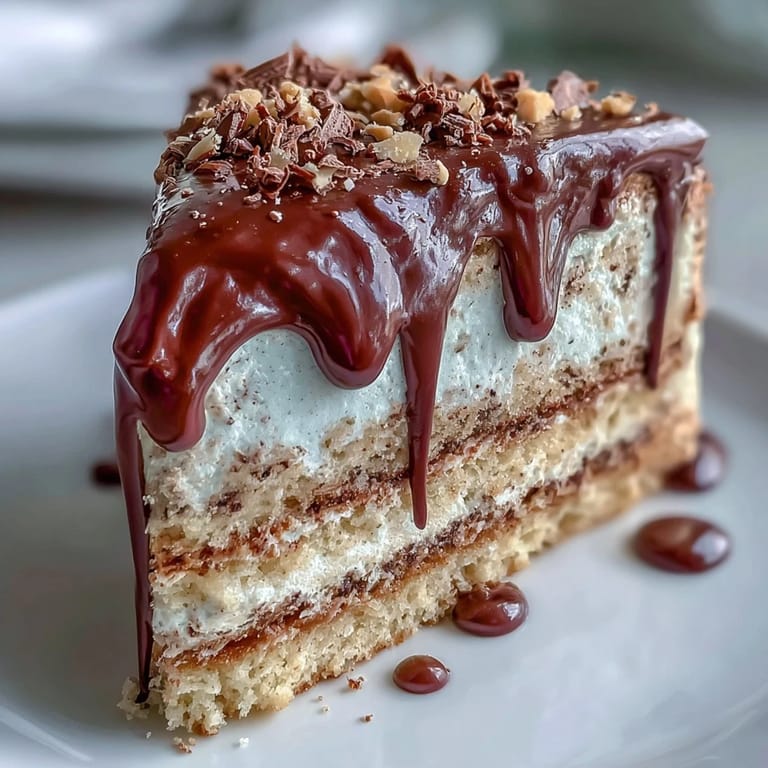
- Place the first cake layer on your serving plate, spread half the hojicha buttercream across the top, set the second layer carefully on top, then frost the sides and top with remaining buttercream. Pour cooled ganache over everything, letting it drip naturally down the sides.
- Chill before slicing:
- Give the assembled cake 30 minutes in the refrigerator so the layers set and the ganache firms up enough to slice cleanly. This final rest makes all the difference between a cake that crumbles and one that slices like a dream.
 Pin
Pin This cake became my grandmother's request after she tasted it once, even though she'd never had hojicha before. Watching her recognize something new and familiar at the same time reminded me why we bake for the people we love.
The Hojicha Difference
Hojicha is green tea that's been roasted, which transforms it from grassy to warm and almost coffee-like without any actual bitterness. When you steep it into milk, it doesn't taste like tea time; it tastes like toasted grain and comfort. The buttercream becomes this soft brown color naturally, and the flavor is unmistakable but not overwhelming.
Building Layers That Hold
The secret to this cake holding up beautifully is understanding what each component does. The sponge cake is delicate but sturdy enough because you beat those eggs long enough to create structure. The buttercream acts as both flavor and glue, and the ganache seal on top looks dramatic while also protecting everything underneath. Letting each layer set before moving to the next prevents sliding and keeps your cake standing proud on the plate.
Serving and Flavor Pairings
This cake tastes even better after a day in the refrigerator, when all the flavors have settled and deepened. Serve it cold or at room temperature, depending on whether you want the buttercream to feel pillowy or soft. A cup of Japanese green tea, oolong, or even a gentle drip coffee cuts through the richness and makes each bite feel like a small celebration.
- Hojicha powder dusted over the top adds visual interest and reinforces the flavor with every slice.
- Chocolate shavings made with a vegetable peeler look elegant and taste like a finishing touch you actually wanted.
- Keep the cake chilled until 30 minutes before serving so the layers stay distinct and the ganache doesn't melt into everything.
 Pin
Pin This is the cake you make when you want to impress someone without sounding like you spent all day in the kitchen. It's a little bit special, entirely achievable, and tastes like you care.
Recipe FAQ
- → What does hojicha taste like?
Hojicha has a distinct roasted, caramel-like flavor with earthy undertones. Unlike other green teas, it's lower in caffeine and has a warm, toasty profile that complements sweet desserts perfectly.
- → Can I make the layers ahead of time?
Yes, bake the sponge layers up to 2 days in advance and wrap tightly in plastic. The buttercream and ganache can also be prepared ahead and stored refrigerated. Bring all components to room temperature before assembling for best results.
- → How do I store the finished cake?
Keep refrigerated in an airtight container for up to 4 days. The buttercream and ganache require cool temperatures to maintain their texture. Bring to room temperature 30 minutes before serving for optimal flavor and texture.
- → Can I substitute the hojicha?
Matcha powder works as an alternative, though it will provide a grassier, more vibrant flavor. For a similar roasted profile, try genmaicha or English breakfast tea infused into the milk.
- → Why did my buttercream curdle?
This usually happens when the hojicha milk is too cold or added too quickly. Ensure the infused milk is completely cooled to room temperature before incorporating, and add it gradually while beating continuously.