 Pin
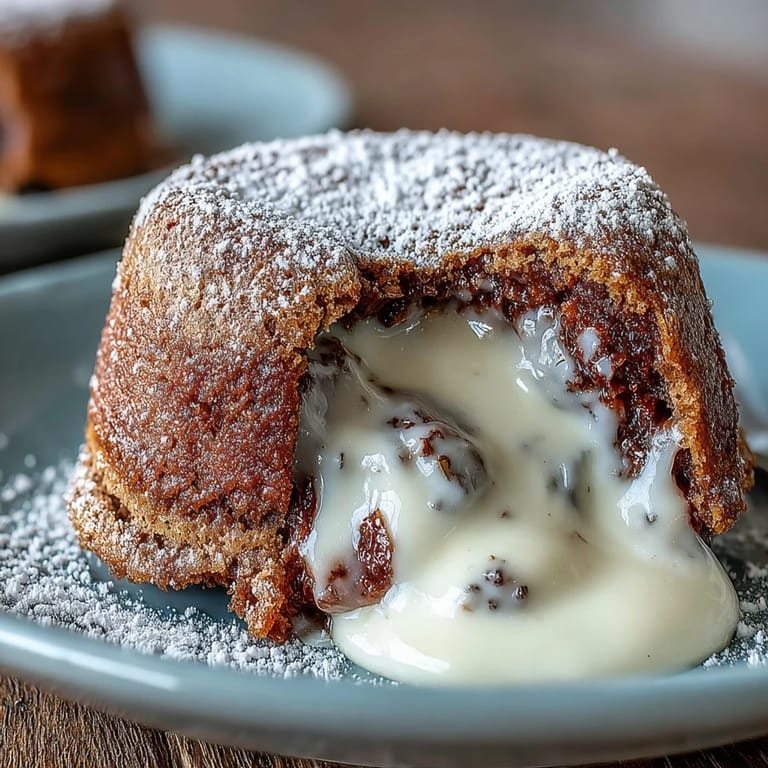
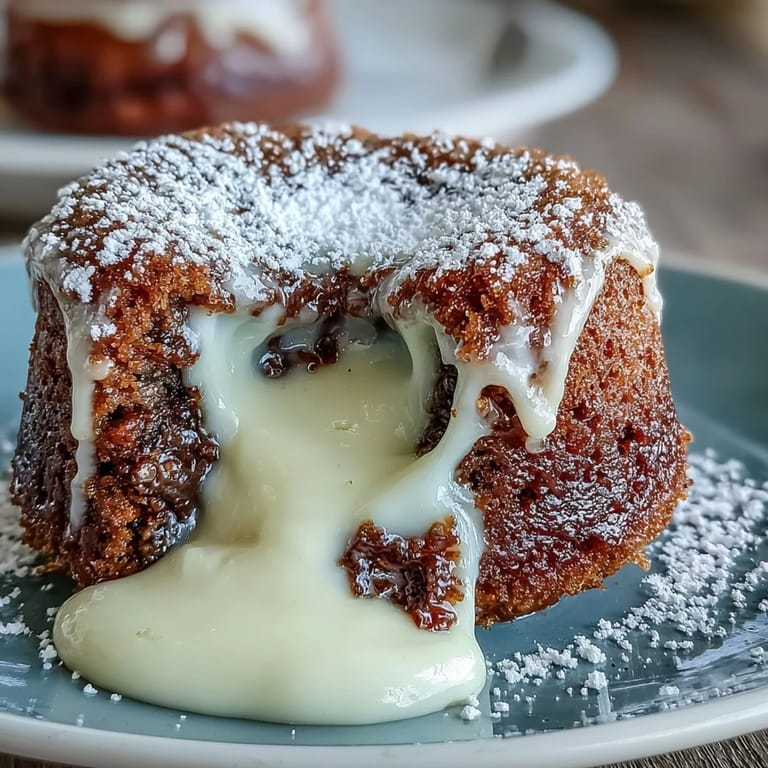
Pin There's something almost magical about the moment a hojicha white chocolate lava cake hits the plate and you watch that molten center spill out like liquid gold. I discovered this dessert by accident, really—mixing up batch after batch trying to capture that perfect balance between the nutty warmth of roasted tea and the indulgent creaminess of white chocolate. The first time I nailed it, my kitchen smelled like a Japanese tea house had collided with a chocolate shop, and honestly, I haven't stopped making it since.
I made these for a dinner party on a rainy October evening, and watching my guests' faces when they discovered the molten centers felt like sharing a little secret. One friend asked if I'd been secretly trained as a pastry chef, which made me laugh because honestly, the most challenging part was not eating the white chocolate while melting it. That night, these cakes became the reason people started asking me to host dinner more often.
Ingredients
- White chocolate, chopped: Use quality white chocolate with cocoa butter, not just cocoa solids mixed with oil—it makes the molten center silky and luxurious.
- Unsalted butter: This carries the hojicha flavor beautifully and keeps the cake tender; salted butter will throw off the delicate balance.
- Eggs and egg yolk: The extra yolk enriches the batter and helps create that perfect jiggle in the center.
- Granulated sugar: Whisk this with eggs until pale to incorporate air, which keeps the cake light despite all that chocolate.
- All-purpose flour: A small amount gives structure without making the cake dense or heavy.
- Hojicha powder: This roasted green tea is the star—look for finely ground versions so it distributes evenly and doesn't create gritty texture.
- Salt: Just a pinch amplifies both the hojicha and chocolate flavors without tasting salty.
Tired of Takeout? 🥡
Get 10 meals you can make faster than delivery arrives. Seriously.
One email. No spam. Unsubscribe anytime.
Instructions
- Set the stage:
- Preheat your oven to 200°C and get your ramekins ready by buttering them generously and dusting with flour—this prevents the cakes from sticking and makes them easier to invert. Tap out any excess flour so they don't end up with a gritty coating.
- Melt gently:
- Place white chocolate and butter in a bowl over barely simmering water, stirring until everything is smooth and glossy. The key is gentle heat; if the water boils too hard, the chocolate will seize and taste grainy.
- Whisk air in:
- Whisk eggs, egg yolk, and sugar together for 2–3 minutes until the mixture becomes pale and slightly thickened—you're incorporating air that makes these cakes fluffy. When you lift the whisk, the mixture should fall in ribbons.
- Fold carefully:
- Sift flour, hojicha powder, and salt over the egg mixture, then fold gently with a spatula until you can't see white streaks anymore. Overmixing at this stage knocks out all that air you just whipped in.
- Combine without deflating:
- Pour the melted chocolate mixture into the egg mixture and fold until just barely combined—a few small streaks are okay, but stop before they disappear completely. This is where patience saves the texture.
- Divide and arrange:
- Pour equal amounts of batter into each prepared ramekin, filling them about three-quarters full. Place them on a baking tray so they bake evenly and you can move them all at once.
- Bake with intention:
- Bake for exactly 12 minutes—the edges should look set and slightly golden, but the center should jiggle just a little when you gently shake the ramekin. This jiggle is your molten center calling.
- Rest and release:
- Let the cakes cool for 1–2 minutes before running a thin knife around the edges and inverting them onto your serving plates. The brief rest prevents them from being too fragile, but they're still warm enough to fall out cleanly.
 Pin
Pin There's a moment of genuine suspense when you invert each cake, holding your breath to see if the center will hold or collapse. I learned that small moment of anticipation is exactly why people love these—it's dessert with a little drama, a little risk, a little magic.
The Hojicha and White Chocolate Love Story
Hojicha is roasted green tea with a warm, almost coffee-like depth that's nothing like the grassy brightness of regular matcha. When you pair it with sweet white chocolate, something unexpected happens—the earthiness makes the sweetness feel less cloying and more sophisticated. It's the kind of combination that makes you pause mid-bite and think about what you're tasting.
Serving and Presentation
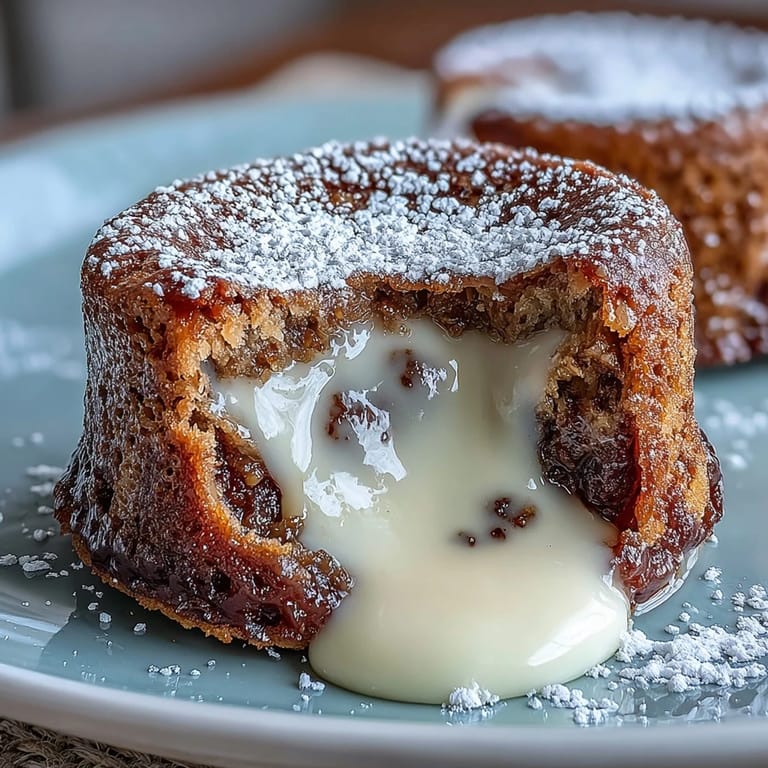
These cakes are best served immediately after inverting, while they're still warm and that center is actually molten. A light dusting of powdered sugar catches the light beautifully and hints at the richness underneath. The contrast of the set cake exterior with the liquid center is what makes serving them feel like a small celebration.
Troubleshooting and Variations
If your oven runs hot, start checking at 11 minutes—every oven is different, and that jiggle in the center is your best guide. If hojicha powder is hard to find, matcha works beautifully and shifts the whole flavor profile to something brighter. The batter can be prepared ahead and refrigerated for up to 4 hours, though you'll add a minute or two to the baking time if baking from cold.
- For an extra-molten center, reduce baking time by a minute and trust the jiggle test completely.
- A scoop of vanilla ice cream on top creates a beautiful contrast between hot cake and cold cream.
- This dessert pairs perfectly with a small cup of espresso or a glass of cold milk to balance the richness.
 Pin
Pin These hojicha white chocolate lava cakes have become my secret weapon for impressing people, but more importantly, they remind me why I love cooking—that alchemy of turning a few simple ingredients into something that brings genuine joy to a table. Once you've made them once, they become that one special dessert you'll return to again and again.
Recipe FAQ
- → What makes the center molten?
The molten center is achieved by baking the cakes for just 12 minutes at high heat. The edges set while the middle remains soft and jiggly, creating that signature lava flow when you cut into the cake.
- → Can I prepare these ahead of time?
You can prepare the batter up to 24 hours in advance and store it in the refrigerator. Let it come to room temperature before baking, or add 1-2 minutes to the baking time if baking cold.
- → What if I can't find hojicha powder?
Matcha powder makes an excellent substitute for a green tea variation. You could also use finely ground roasted green tea or even Earl Grey tea for a different aromatic profile.
- → How do I know when they're done baking?
The edges should be set and slightly firm, but the center should still feel soft and jiggly when you gently shake the ramekin. They continue cooking slightly as they rest, so don't overbake.
- → What's the best way to serve these?
Serve immediately after a 1-2 minute rest while still warm. Dust with powdered sugar and add fresh berries or whipped cream. They pair beautifully with ice-cold milk or espresso.
- → Can I freeze the baked cakes?
These are best enjoyed fresh. However, you can freeze unbaked batter in the ramekins for up to 2 weeks. Bake directly from frozen, adding 2-3 minutes to the cooking time.