 Pin
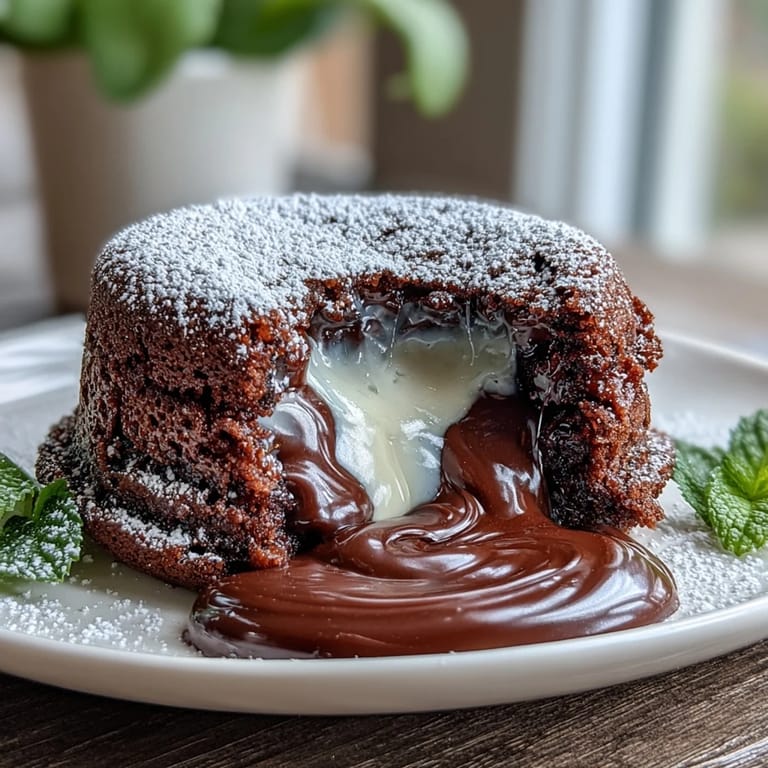
Pin I discovered hojicha lava cakes entirely by accident during a quiet afternoon in my kitchen, when I was experimenting with ways to use up a tin of roasted green tea powder that had been sitting in my pantry. The earthy, almost nutty aroma of hojicha made me think about pairing it with white chocolate instead of the typical dark chocolate ganache, and something about that combination felt electric. When that first warm cake hit the plate and the molten center pooled outward, I realized I'd stumbled onto something special—a dessert that felt both deeply comforting and unexpectedly elegant.
I made these for a friend who was nervous about entertaining, and watching her unmold the first cake to reveal that golden flow of hojicha ganache gave me as much joy as tasting it did. She'd been apologizing in advance for the simplicity of dessert, but when she saw the result, something shifted—she realized that impressive food doesn't require hours of fussing, just a little intentional technique and timing. That moment taught me how much these small, luxurious cakes could change the feeling of an entire meal.
Ingredients
- White chocolate (160 g total): Use a quality white chocolate with cocoa butter rather than palm oil; it melts more smoothly and tastes infinitely better, plus it helps the ganache stay creamy.
- Hojicha powder (1 tsp): This roasted green tea is the soul of the recipe, bringing an earthy warmth that cuts through richness beautifully.
- Heavy cream (30 ml): Heat it just until steaming, not boiling, so it doesn't scramble the chocolate or cook off those delicate roasted notes.
- Eggs (3 total, separated as 2 whole and 1 yolk): Room temperature eggs whisk to a much thicker, paler foam, which means your cake will be airy rather than dense.
- Unsalted butter (90 g total): Cold ramekins and warm batter create the bake-inside, melt-inside magic, so this ingredient really matters for texture contrast.
- Granulated sugar (60 g): Whisk it with the eggs until the mixture looks pale and thick; this aerates the batter and keeps the cake tender.
- All-purpose flour (40 g): Sift it with the salt before folding to prevent lumps and ensure a silky crumb that won't weigh down the center.
Tired of Takeout? 🥡
Get 10 meals you can make faster than delivery arrives. Seriously.
One email. No spam. Unsubscribe anytime.
Instructions
- Craft the hojicha ganache:
- Combine your chopped white chocolate with hojicha powder in a small bowl, then pour hot cream over it and let it sit quietly for a minute—this resting time lets the heat gently coax out the tea flavor. Stir until glossy, fold in soft butter, then refrigerate until the ganache is firm enough to roll into four balls that hold their shape when chilled.
- Prepare your ramekins:
- Butter the insides generously and dust with cocoa powder or flour, tapping out any excess so the baked cake releases cleanly. This step feels small but makes unmolding foolproof.
- Melt and combine the base:
- Set a heatproof bowl over barely simmering water and let the white chocolate and butter warm together slowly, stirring until completely smooth, then cool it for just a minute. In another bowl, whisk your eggs and sugar until the mixture turns pale and thick enough that it leaves ribbons when you lift the whisk.
- Build the batter:
- Gently fold the chocolate mixture into the fluffy egg mixture, then sift flour and salt over the top and fold with a few careful strokes until just barely combined. Don't overthink this step; you want the batter to be tender, not tough.
- Assemble before baking:
- Spoon about a tablespoon of batter into each ramekin, nestle a frozen hojicha ganache ball in the center, then cover with the remaining batter and smooth the tops. This layering is what creates the magical pocket of molten chocolate in the middle.
- Bake with precision:
- Set your oven to 200°C (390°F) and bake for 11–13 minutes, watching until the edges look set but the very center still jiggles slightly when you gently shake the ramekin. This is the sweet spot between fully baked and perfectly molten.
- Release and serve:
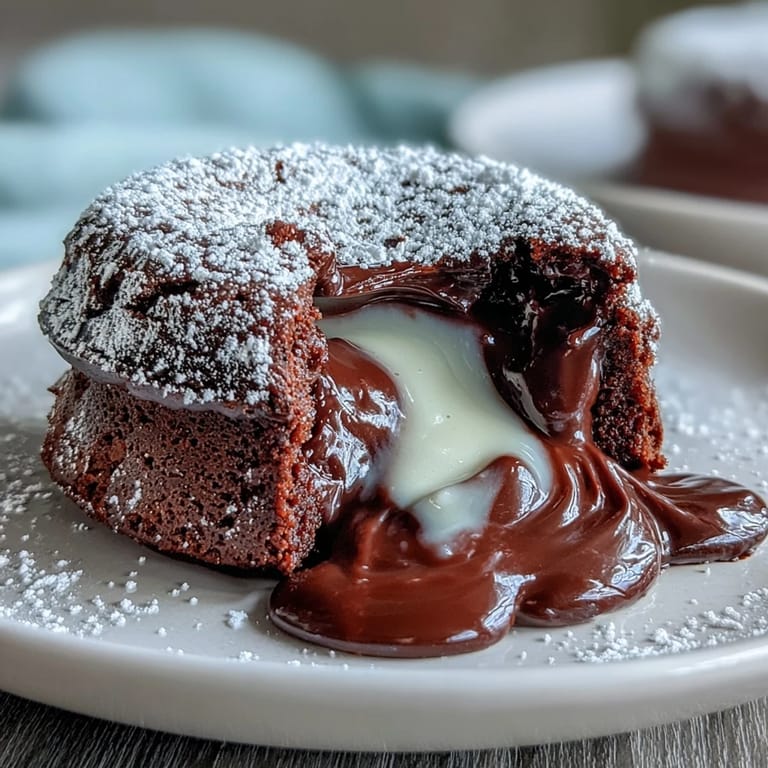
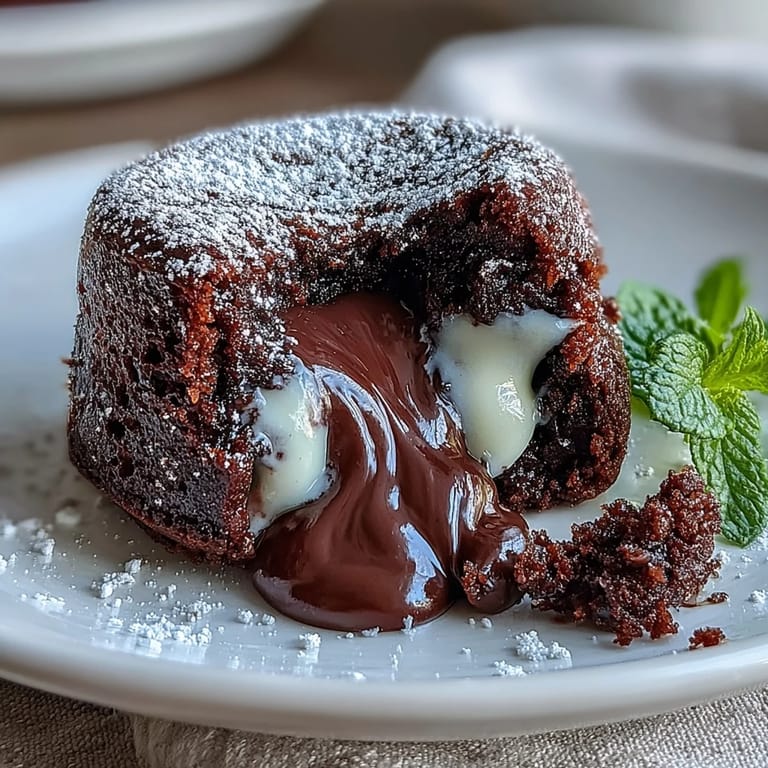
- Let the cakes rest for just 1–2 minutes, then run a thin knife around the edges and invert onto warm plates so the hojicha lava flows outward beautifully. Serve immediately while the center is still warm and flowing.
 Pin
Pin There's a particular kind of quiet joy that happens when someone cuts into warm chocolate cake and watches it ooze across their plate without expecting it—it feels like a small act of generosity, like you've tucked something indulgent into their evening. These cakes remind me that dessert doesn't need to be complicated to feel like a celebration.
Why Hojicha Changes Everything
I've made molten chocolate cakes with dark chocolate, milk chocolate, and every variation in between, but hojicha brought something I wasn't anticipating—a gentle bitterness that actually makes the white chocolate taste more like white chocolate instead of just sugar. The roasted green tea has this subtle smokiness that feels more grown-up somehow, like it's whispering rather than shouting. If you've ever thought white chocolate was one-note, this pairing proves it's actually a beautiful canvas for other flavors.
Make-Ahead and Timing Wisdom
The ganache can be made a full day ahead, which means your biggest time pressure happens right at serving—you're essentially baking individual soufflés to order, which sounds fancier than it actually is. I usually prep my batter while guests are finishing their main course, assemble the ramekins while clearing plates, and pop them in the oven with enough time that they emerge warm and flowing just as everyone settles in for dessert. This rhythm makes you look effortless even though you've engineered every detail.
Variations and Flavor Pairing Ideas
Once you understand the basic structure of these cakes, you start seeing possibilities everywhere—matcha powder in place of hojicha brings a brighter, more grassy note, while a touch of cardamom stirred into the ganache adds an unexpected warmth. I've served these with whipped cream infused with a whisper of yuzu, over vanilla ice cream that melts into the lava, and even alongside fresh berries that cut through the richness perfectly. The beauty of this recipe is that it's flexible enough to make your own, while structured enough that it always impresses.
- Try stirring a pinch of sea salt into the hojicha ganache for a sophisticated sweet-and-salty moment.
- Dust the finished cakes with matcha powder or cocoa instead of powdered sugar for a more dramatic presentation.
- Pair with unsweetened whipped cream or miso caramel to balance the sweetness and add depth.
 Pin
Pin These hojicha lava cakes have quietly become my favorite excuse to cook for people, because they deliver that perfect moment when elegance and indulgence meet warmth and ease. Every time I make them, I'm reminded that the best dishes are the ones that feel generous without demanding apologies.
Recipe FAQ
- → What makes hojicha different from matcha?
Hojicha is roasted green tea leaves that produce a reddish-brown brew with earthy, caramel-like notes. Unlike matcha's vibrant grassiness, hojicha offers a mellow, toasty flavor that pairs exceptionally well with white chocolate's creamy sweetness.
- → How do I know when the lava cakes are done baking?
The edges should appear set and slightly puffed, while the center still jiggles slightly when gently shaken. This 11-13 minute baking window ensures the exterior is firm while the ganache center remains luxuriously molten.
- → Can I prepare these cakes in advance?
Assemble the cakes in ramekins up to 24 hours ahead and refrigerate. When ready to serve, bake directly from the refrigerator, adding 1-2 extra minutes to the baking time. The ganache centers must remain chilled until baking.
- → What can I substitute for hojicha powder?
Matcha powder creates a vibrant green tea variation with more grassy notes. Alternatively, use Earl Grey tea powder for bergamot citrus flavor, or espresso powder for a mocha twist on the molten center concept.
- → Why must the ganache balls be chilled before assembly?
Chilling the hojicha ganache for 30 minutes firms it enough to form into balls that hold their shape inside the batter. If too warm, the ganache would melt prematurely during baking, losing the dramatic lava flow effect.
- → What size ramekins work best for this recipe?
Ramekins measuring 6-8 cm in diameter (about 6 oz capacity) are ideal. This size allows proper heat circulation for even baking while providing enough volume for both batter and the molten ganache center.