 Pin
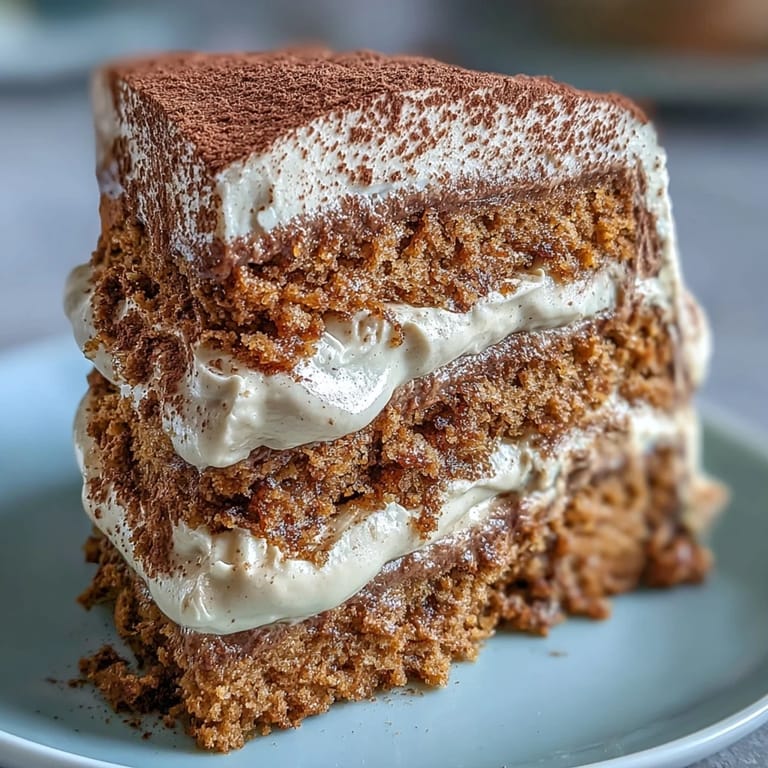
Pin The first time I encountered hojicha was at a small café in Tokyo during late autumn, where the barista steamed milk into a cup of the roasted tea and handed it to me with a knowing smile. Years later, standing in my own kitchen on a quiet afternoon, I wondered if I could capture that same warm, toasty comfort in a cake. What emerged was this ethereal sponge, so light it practically floats, infused with hojicha's subtle smokiness and paired with clouds of hojicha whipped cream that tastes like dessert made from a beloved ritual.
I baked this for my sister's book club on a drizzly evening, and watching everyone's faces when they tasted it was the real reward. One guest set her fork down and asked if it was possible to taste "warmth," and I knew then that hojicha had worked its quiet magic on another person.
Ingredients
- Eggs (4 large, room temperature): Room temperature eggs incorporate air more efficiently, which is essential for the cloud-like texture; cold eggs won't whip to the same volume.
- Granulated sugar (120 g): The sugar stabilizes your egg foam and provides structure; don't skip the tempering step over simmering water, as it helps the eggs whip faster and fuller.
- Cake flour (120 g, sifted): Its lower protein content keeps the cake tender and delicate rather than dense, and sifting three times (once before measuring, once with the hojicha, once more before folding) prevents lumps.
- Hojicha powder (20 g for sponge, 10 g for cream): The roasted depth of hojicha is what distinguishes this from a regular sponge cake; seek it out at Japanese markets or quality online sources, as the flavor varies by brand.
- Unsalted butter (40 g, melted and cooled): Melted butter needs a moment to cool or it can deflate your precious batter; combining it with a scoop of batter first acts as a buffer before folding back in.
- Whole milk (30 ml, room temperature): Milk carries the butter into the batter more gently than adding butter alone would; its temperature matters because cold milk can shock the batter.
- Sea salt (1/4 tsp): A pinch of salt amplifies the hojicha's roasted character without making the cake taste salty.
- Heavy cream (300 ml, minimum 35% fat): Higher fat content whips to stiff peaks more easily and holds its shape longer; cream that's below 35% fat often refuses to cooperate.
- Powdered sugar (40 g): Powdered sugar dissolves instantly in cream, avoiding the grittiness that granulated sugar can leave; sift it first to break up any clumps.
- Vanilla extract (1 tsp): A small amount brightens the earthy hojicha without competing with it.
Tired of Takeout? 🥡
Get 10 meals you can make faster than delivery arrives. Seriously.
One email. No spam. Unsubscribe anytime.
Instructions
- Prepare your stage:
- Set your oven to 170°C (340°F) and line only the bottom of your cake pan with parchment; the ungreased sides help the genoise climb as it bakes. Have all your ingredients at room temperature before you begin, as this single detail determines whether your eggs whip properly.
- Heat the eggs and sugar:
- Whisk eggs and sugar together in a heatproof bowl over simmering water, watching until the mixture turns warm (around 40°C or 104°F). This gentle heating helps the eggs incorporate more air when you beat them, creating that signature sponge structure.
- Whip to clouds:
- Transfer to your mixer and beat on high speed for about 7 minutes until the mixture is pale, thick, and roughly tripled in volume—you'll hear the pitch of the mixer change as the foam develops. After those 7 minutes, reduce speed and beat for 1 more minute to stabilize the foam.
- Fold in the dry ingredients:
- Sift cake flour, hojicha powder, and salt together first, then fold this mixture into your eggs in two additions using a rubber spatula. Fold gently, turning the bowl as you go, moving slowly enough to preserve all that precious air you just whipped in.
- Finish the batter:
- Combine melted butter and milk in a small bowl, add a generous scoop of your main batter to it, stir until combined, then fold this enriched mixture back into the rest of the batter. This technique prevents the butter from sinking and breaking your foam.
- Into the oven:
- Pour the batter into your prepared pan, tap it gently a few times on the counter to release any obvious air pockets, then bake for 23–25 minutes. The cake is done when the top springs back when you touch it lightly and a skewer inserted in the center comes out clean.
- Cool with patience:
- Let the cake rest in its pan for 10 minutes—this allows it to set just enough to handle—then run a thin knife around the edges and invert it onto a wire rack. Remove the parchment gently and let it cool completely, which takes about an hour.
- Make the hojicha cream:
- In a chilled bowl, sift together hojicha powder and powdered sugar to remove any clumps, add heavy cream and vanilla extract, then whip with an electric mixer until medium-stiff peaks form. The peaks should curl slightly when you lift the beaters; overwhipping turns it grainy.
- Build your cake:
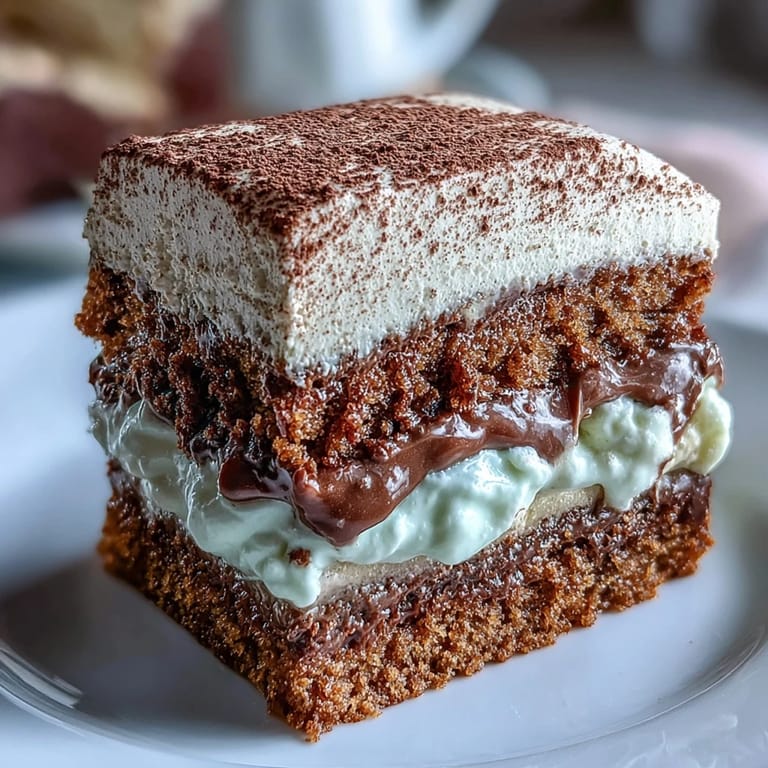
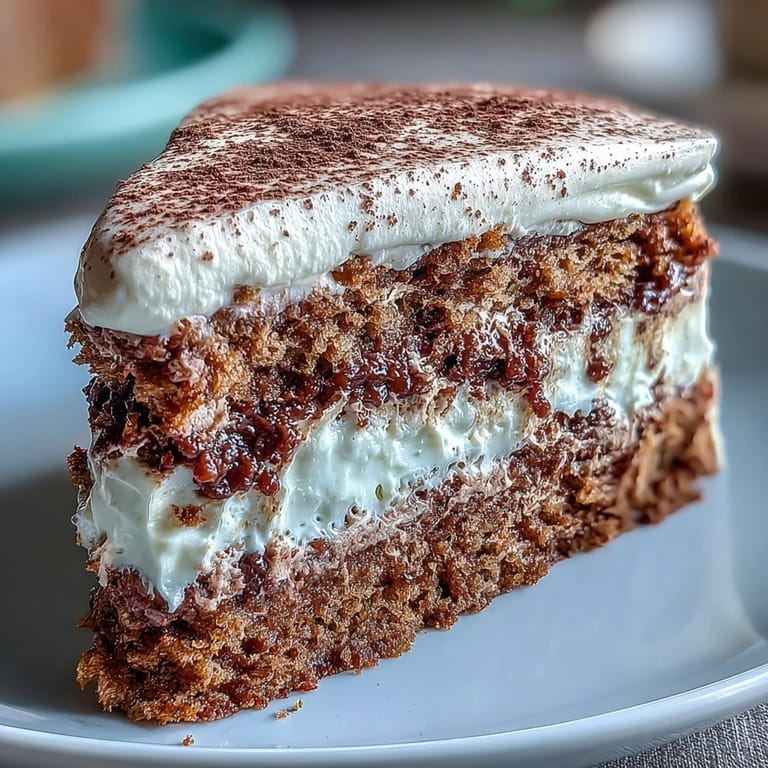
- Once the sponge is completely cool, use a serrated knife to slice it horizontally into two or three layers with steady, gentle sawing motions. Spread a layer of hojicha whipped cream between each layer and generously over the top, dusting with extra hojicha powder if you like the visual contrast.
- Chill before serving:
- Refrigerate the assembled cake for at least 30 minutes so the cream firms slightly and the slices hold their shape cleanly. This rest also allows all the flavors to meld into something even more cohesive.
 Pin
Pin There's something about serving a slice of this cake that feels celebratory, even on an ordinary Tuesday. The way people's eyes light up when they taste it makes me think sometimes the simplest gifts are the ones made with the most care.
Why Hojicha Matters in This Cake
Hojicha is green tea leaves that have been roasted at high temperatures, which removes the grassy notes and replaces them with something warmer—notes of nuts, caramel, and toasted grain that feel more like comfort than typical tea. In this cake, it doesn't scream for attention the way chocolate might; instead, it lingers on your palate like a memory you're trying to place. The roasting process also makes hojicha naturally lower in caffeine than other teas, so you can serve this cake in the evening without anyone staring at the ceiling at midnight.
The Genoise Technique Explained
A genoise sponge relies entirely on whipped eggs for its lift; there's no chemical leavening involved, which means every bit of air incorporated during the mixing stage has to carry the cake to greatness. This is why the tempering and whipping step feels so critical—you're literally building the structure that holds the cake aloft. The technique rewards patience and gentleness; rushed movements or aggressive folding collapse that foam and leave you with a dense result that feels like a disappointment.
Serving and Storage Wisdom
This cake is best enjoyed within a day or two of assembly, though the unfrosted sponge keeps for several days in an airtight container. The whipped cream filling isn't as shelf-stable as buttercream, so don't assemble it more than a few hours before serving unless you're okay with a slightly denser, less fluffy texture by the next day.
- For extra moisture, brush each cake layer lightly with hojicha tea or simple syrup right before adding the cream filling.
- Chocolate shavings, roasted hazelnuts, or even a dusting of matcha powder make beautiful garnishes that play well with hojicha's earthiness.
- If you're making this ahead, freeze the unfrosted sponge layers well-wrapped for up to a month, then assemble when you're ready to serve.
 Pin
Pin Making this cake is a meditation on balance—between air and structure, delicacy and flavor, tradition and your own kitchen creativity. Every time I pull it from the oven and watch it cool, I feel that same wonder I felt in that Tokyo café, and I hope you do too.
Recipe FAQ
- → What makes hojicha different from other Japanese teas?
Hojicha is roasted green tea leaves that develop a deep, smoky flavor with lower caffeine content. The roasting process creates reddish-brown leaves and a mellow, toasty taste that pairs beautifully with dairy and sweet desserts.
- → Can I substitute hojicha powder with matcha?
While possible, matcha has a more bitter, grassy flavor that will significantly change the taste profile. Hojicha's roasted, caramel-like notes are specifically chosen for this cake. If substituting, reduce the amount slightly as matcha is more potent.
- → Why shouldn't I grease the sides of the cake pan?
Genoise sponge relies on climbing up the pan sides to achieve proper rise. Greasing creates a slippery surface that prevents the batter from gripping, resulting in a denser texture. Lining only the bottom ensures even rising while still allowing easy removal.
- → How do I know when the egg mixture is properly whipped?
The mixture should triple in volume, become pale yellow, and form thick ribbons when the whisk is lifted. When you drag a spoon through, the trail should remain visible for several seconds. This usually takes 6-8 minutes on high speed.
- → Can I make this cake in advance?
The assembled cake actually improves after chilling for a few hours or overnight, allowing flavors to meld. Store covered in the refrigerator for up to 3 days. The sponge can be baked a day ahead and wrapped tightly at room temperature before assembly.
- → What can I use if I don't have cake flour?
For each cup of all-purpose flour, remove 2 tablespoons and replace with 2 tablespoons of cornstarch. Sift the mixture several times to combine. This approximation works well for genoise-style sponges that require low protein content.